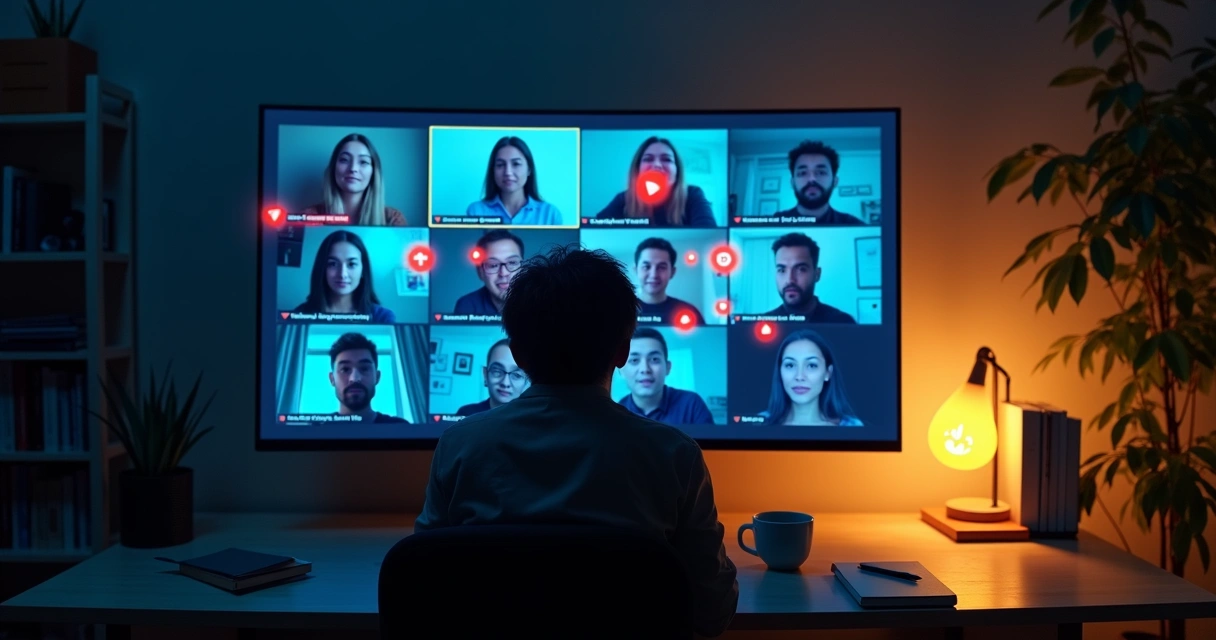


We all want to believe we make fair decisions about people and situations. Yet, hidden drivers influence our thoughts and behaviors every day. Unconscious bias refers to ingrained attitudes or stereotypes that shape our views without our awareness. These silent forces sway how we treat others, the opportunities we offer, and the systems we build or maintain.
When biases go unexamined, their effects reach much farther than we realize. Not only do they alter personal relationships, but they also impact families, organizations, and even cultures. In our work, we see how the smallest assumptions can ripple outward, shaping systemic dynamics in ways most never see.
Understanding how unconscious bias affects systemic relationships is the first step toward change. Here, we share seven ways these invisible forces take hold—and what this means for collective well-being.
1. Shaping group norms and organizational culture
Bias rarely operates in isolation. When certain attitudes or beliefs are shared across a group, they become “the way things are done.” For example, if most decision-makers unconsciously favor those who look or think like them, similar people get hired, promoted, and celebrated. This sets up invisible barriers. Over time, diversity—of thought, style, or background—dries up.
Norms can be silent, yet powerful barriers to true inclusion.
What happens next? New members feel pressure to conform. People who don’t “fit in” often adapt or leave. Groups begin to value homogeneity over growth. This cycle can quietly undermine innovation and resilience at every level of a system.
2. Reinforcing hidden loyalty dynamics
Many of us unknowingly stay loyal to old family or cultural patterns. If we grew up seeing certain roles, conflicts, or rules, we may unconsciously repeat them at work, in friendships, or in our families.
Consider the leader who unconsciously favors outspoken team members because, in their family, only those who spoke up were valued. Or, someone who avoids conflict because that was the unspoken rule at home.
This “systemic loyalty” can trap groups in cycles of misunderstanding and prevent fresh solutions. Bias, in this sense, acts like glue—it keeps old patterns stuck, even when they no longer serve anyone.

3. Influencing decision-making and leadership choices
Decisions carry significant weight, especially when made by those in leadership roles. Yet, even the most well-intentioned leaders can fall prey to unconscious bias. They might overlook qualified candidates, undervalue dissenting opinions, or narrowly interpret data in ways that favor their own background or experience.
We have noticed that biased decisions aren’t always dramatic; they can be as simple as always turning to “trusted” voices or dismissing out-of-the-box suggestions. Each small choice accumulates and guides the direction of teams, organizations, and even social movements.
Unchecked bias can quietly influence who gets heard, who gets opportunities, and which problems are solved.
For those interested in the relationship between systemic awareness and leadership, our insights are gathered in the leadership section.
4. Creating self-fulfilling feedback loops
One powerful way bias spreads is through feedback loops. When we expect certain behavior from people, we tend to notice evidence that confirms our belief—and ignore what doesn’t fit. This reinforces our initial assumptions, whether positive or negative.
- If we think a colleague is unreliable, we notice every mistake and forget their successes.
- If we believe someone is a strong leader, we may attribute team achievements to their actions alone.
These loops can be subtle. When reinforced by group agreement, they can become “facts” that no one questions. Bias, unchecked, grows stronger each time it is unconsciously confirmed by ourselves or the group.
5. Impacting emotional health and group trust
Bias affects more than just perception—it leaves deep marks on emotional health. When people feel unseen or stereotyped, stress rises. Trust falls. Authentic communication breaks down. In teams or families, this leads to guardedness and chronic tension.
On the other side, those whose biases are reinforced may remain unaware of how their behavior affects others.
Unseen wounds shape the emotional health of the whole system.
If you are interested in how emotion and bias interact, our emotional health resources share practical guidance and stories.
6. Subtly steering systemic outcomes
We sometimes forget how small choices add up. Hiring one type of candidate. Supporting one kind of idea. Ignoring quiet dissent. Soon, patterns emerge that reinforce status, power, or exclusion—all without active intent.

It’s easy to see outcomes and blame individuals. But bias is often a quiet architect. It shapes who gets what and why—long before final decisions are made.
If you want to read more about collective thinking and broader context, our articles in the systemic awareness section may enrich your perspective.
7. Shaping intergenerational narratives and legacy
Bias doesn’t end with us. It flows into the stories, values, and structures we pass to future generations. If unexamined, it embeds itself in family traditions, organizational standards, and even the way history is told or remembered.
This transmission of unconscious patterns explains why some problems linger over decades or even centuries. Each generation inherits both the strengths and shadows of those before them, including unspoken biases and unresolved tensions.
A path toward greater awareness
We have seen firsthand how awareness disrupts old cycles. When we notice bias—without shame, but with responsibility—we open the door to new choices. We can nurture environments where diverse voices are heard, unseen wounds are healed, and new norms are built together.
This journey takes patience and honesty, but the rewards are real: stronger trust, richer understanding, and systems that grow healthier over time. Our belief is anchored in the idea that systemic change starts with individual recognition and commitment to mature action.
If you are interested in philosophy that supports ethical reflection in this process, the philosophy section on our site addresses these themes. For those who wish to connect with more insights on our perspective and work, visit our team page.
Conclusion
We believe unconscious bias is not a personal flaw, but a feature of how humans interact with complex systems. By actively seeking awareness, accepting vulnerability, and committing to ongoing learning, it's possible to shift not only our own perspectives but the living systems of which we are a part. When even one person interrupts a cycle, the impact can ripple outward—sometimes in ways no one can predict.
Frequently asked questions
What is unconscious bias in relationships?
Unconscious bias in relationships refers to automatic attitudes or stereotypes that influence how we perceive and interact with others, without our direct awareness. These biases affect how we listen, trust, or respond, shaping both personal and collective dynamics.
How does bias affect systemic relationships?
Bias in systemic relationships can shape group norms, guide decision-making, influence emotional safety, and set up feedback loops that reinforce existing patterns. This means the impact is not limited to just two people—it affects entire families, organizations, and broader communities when left unchecked.
Can unconscious bias be changed?
Yes, unconscious bias can be changed through conscious effort, ongoing reflection, and openness to feedback. Developing awareness, seeking diverse viewpoints, and adopting reflective practices help reduce its influence over time.
What are common examples of bias?
Common examples of bias include favoring people who look or think like us (affinity bias), assuming someone’s ability based on their background (stereotype bias), or interpreting information in ways that confirm our beliefs (confirmation bias).
How to reduce bias in organizations?
To reduce bias in organizations, we recommend introducing clear standards for decision-making, providing regular training on systemic awareness, encouraging diverse perspectives, and fostering open discussion around norms and assumptions. Regular reflection and feedback also help reveal and shift existing biases.