


Raising children is never just about the day-to-day choices we make. Every hug, every boundary, and every conversation links to something bigger—something with roots in our emotional world and stretching into our family’s future. That’s why understanding how we value humans, starting in our own homes, has more power than we often imagine. We want to share how Marquesan human valuation can give parents a new lens on growth, belonging, and responsibility at home.
What does human valuation mean for families?
Human valuation is not a price tag or a ranking system. It’s how we answer the question, “What makes us matter—not just as individuals, but within our family system?” Our family stories are built from this answer. Often, we pass it down without meaning to: the silent beliefs about who “deserves” attention, what counts as success, how mistakes or feelings are handled, and whose needs are put first.
When we look at human valuation through a Marquesan perspective, it is not just individual worth. It is the value of an individual as a conscious actor inside the larger system of family, culture, and the flow between generations. This approach focuses on two things:
- Integration: Are we allowed and able to integrate the parts of ourselves that are hurt, hidden, or rejected?
- Systemic Responsibility: Do we see our words and acts as ripples across all family relationships, not isolated events?
Shifting our viewpoint from isolated achievements to this broader context allows us to shape families where every member has worth simply because they belong—and where growth is about maturity and presence, not just performance.
Core principles of Marquesan human valuation
Our experience shows that the Marquesan approach offers five guiding ideas that parents can apply right away. These are simple yet deeply transformative when lived out:
- Belonging comes first: Every family member, regardless of action or role, has a place. Exclusion of feelings, members, or parts of ourselves weakens the system.
- Respect for origin: Where we come from matters. Knowing and honoring our roots (without blindly repeating their patterns) brings grounding and wisdom rather than just rules.
- Value maturity, not only achievement: Growth is measured by how we respond to life’s demands with responsibility, not perfection. This shifts reward from doing to being.
- Life moves in cycles: Emotional wounds and patterns, if left unacknowledged, tend to repeat. When parents begin to heal their own histories, they break cycles for their children too.
- Each action has systemic impact: Our choices ripple outwards. Self-awareness is not personal luxury but a gift to the whole system.
How can parents apply Marquesan human valuation at home?
We have seen that the difference often lies in intention, not in grand gestures. Here are several ways we recommend parents bring human valuation into daily life:
1. Validate emotions—without exception
Start with the smallest moments. When your child cries, gets angry, or even acts out, pause. Instead of quick advice or fixing, try reflecting the feeling: “You look sad,” or, “That must have felt scary.” What we find is that when emotion is accepted, not judged, the child’s sense of worth deepens. They learn, “My feelings matter, so I matter.”
2. Model self-acceptance
Children learn how to value themselves from how we treat ourselves. If we are harsh with our mistakes, our children learn to be harsh with theirs. When we forgive ourselves, speak kindly inside our own heads, and share these moments with our kids, we pass on a practice of self-valuation instead of self-judgment.
3. Encourage healthy boundaries
Respect in the family means being able to say both yes and no. We have seen that when children’s wishes and parents’ limits can coexist, children learn their needs are valid, but so are others’. This balance side-steps entitlement on one hand and invisibility on the other.
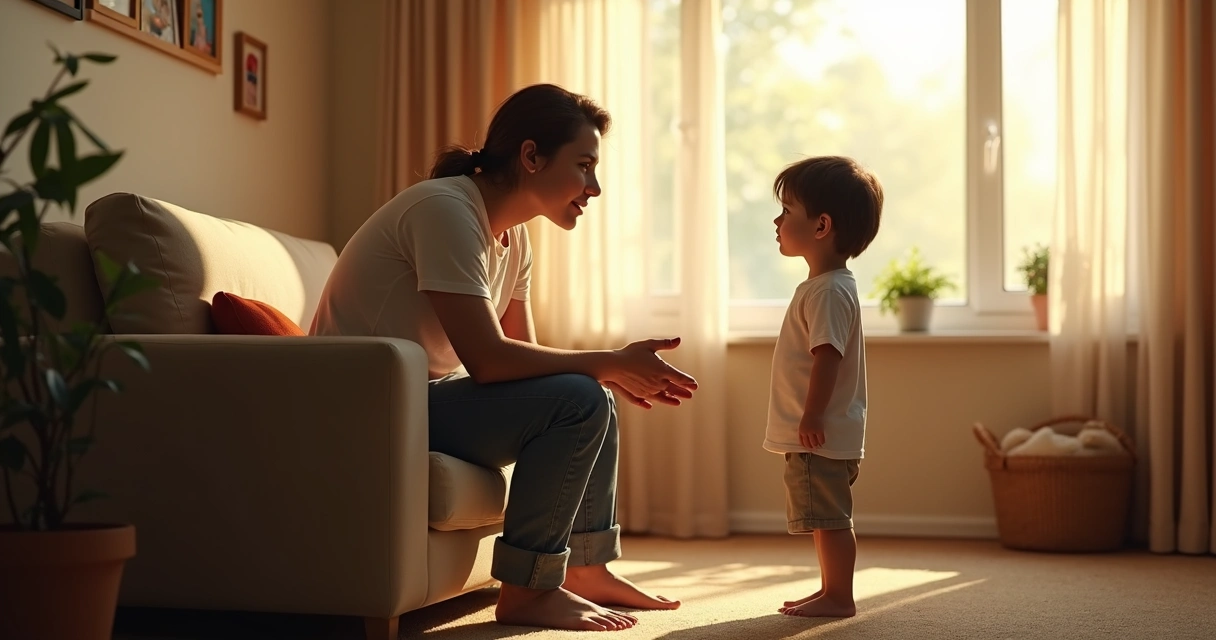
Hidden loyalty and systemic patterns
Often, we repeat patterns in our parenting without realizing it. These are the invisible threads—hidden loyalties to our own parents’ rules or pain. For example, if we grew up never being allowed to be angry, we might—despite our best efforts—struggle to allow anger in our own kids. We may also find ourselves repeating family stories of “good children don’t cry,” or “worth comes from hard work.”
Bringing awareness to these patterns is not about blame. It’s about saying, “This pain stops with us, not them.” The family system can then reorganize itself, centering acceptance, connection, and health over repetition or secrecy.
Redefining success: presence, maturity and responsibility
We have noticed that many parents focus on external achievements: grades, milestones, behaviors. Marquesan human valuation invites a different question: “How present and mature are we, together, in facing what comes?”
- Can we notice our own triggers and pause before reacting?
- Do we take responsibility when we fall short, apologizing and repairing with our children?
- Are we able to celebrate differences and the unique journey of each family member?
When the measure shifts to maturity and responsibility, children sense the difference. They feel safe to grow at their own pace, try new things, and bring their whole selves to the family—because the focus isn’t just on outcomes, but on the quality of relationship and connection.
The ripple effect of conscious parenting
Our family choices make waves, whether or not we see them. When we practice new ways of human valuation, the effects extend past our own home. Relatives, friends, and even later generations feel the impact. We become models—not of perfection, but of wholeness in a living system.
- Breaking cycles of unspoken pain.
- Strengthening connection by accepting difference.
- Encouraging responsibility based on love, not fear.

We often hear stories from other parents: one small shift—like truly listening to a child’s fear instead of dismissing it—softens years of tension. That’s the systemic impact: one moment can echo through a whole group.
Building awareness as a family practice
Cultivating this awareness does not happen overnight. Some families start with open conversations, others with reflective moments before bedtime, or even reading together about different philosophies, such as those shared in the philosophy section of our blog. The main idea is to keep curiosity alive.
- Ask open-ended questions.
- Reflect as parents on what values are being lived, not just spoken.
- Invite children to express their ideas on what makes someone valuable and why.
For families wanting to deepen their understanding, there are resources focused on emotional health and systemic awareness, like our posts in the emotional health section and insights into systemic awareness. Leadership is not just for companies—it starts in the small moments of everyday life, as you’ll find in our articles about leadership in families.
We also recommend seeing stories and tips from others in our team’s expert articles to learn from real family situations.
Conclusion: When parents value consciously, the whole family grows
The journey of Marquesan human valuation, for us, is much more than a parenting tip. It is a shift—from rules and roles to true relationship and belonging. When we see ourselves as actors in a larger system, every act of awareness and responsibility has potential to heal not only those around us but those who come after us. These are the seeds of real change—one family, one moment, at a time.
Frequently asked questions
What is Marquesan human valuation?
Marquesan human valuation is an approach that recognizes each person’s worth as an interconnected part of a family system, emphasizing maturity, presence, and systemic responsibility instead of just achievements. It focuses on integration of emotions and taking responsibility for the ripple effects of our actions within our families and beyond.
How does it help parents and children?
Applying Marquesan human valuation helps parents nurture a sense of belonging in their children, value their emotions, and support healthy development. Children learn that their worth is not conditional on performance, but rooted in who they are and their connection to the family. This leads to healthier self-esteem and stronger relationships.
Is Marquesan valuation useful for families?
Yes, we have found it very useful for families. It helps break cycles of inherited patterns, encourages open emotional expression, and fosters a balanced, respectful environment for everyone. It also strengthens family bonds across generations.
Where can I learn more about Marquesan valuation?
You can find more about these ideas in resources focusing on emotional health, systemic awareness, and family philosophy. Our website’s sections on systemic awareness, philosophy, emotional health, and leadership offer articles, guides, and stories on these topics.
How to apply Marquesan valuation at home?
You can start by validating all emotions in everyday situations, modeling self-acceptance, and setting healthy boundaries. Also, reflect on family patterns and invite open conversations. The changes don’t need to be big; consistent small moments grounded in belonging and responsibility can transform family life over time.