

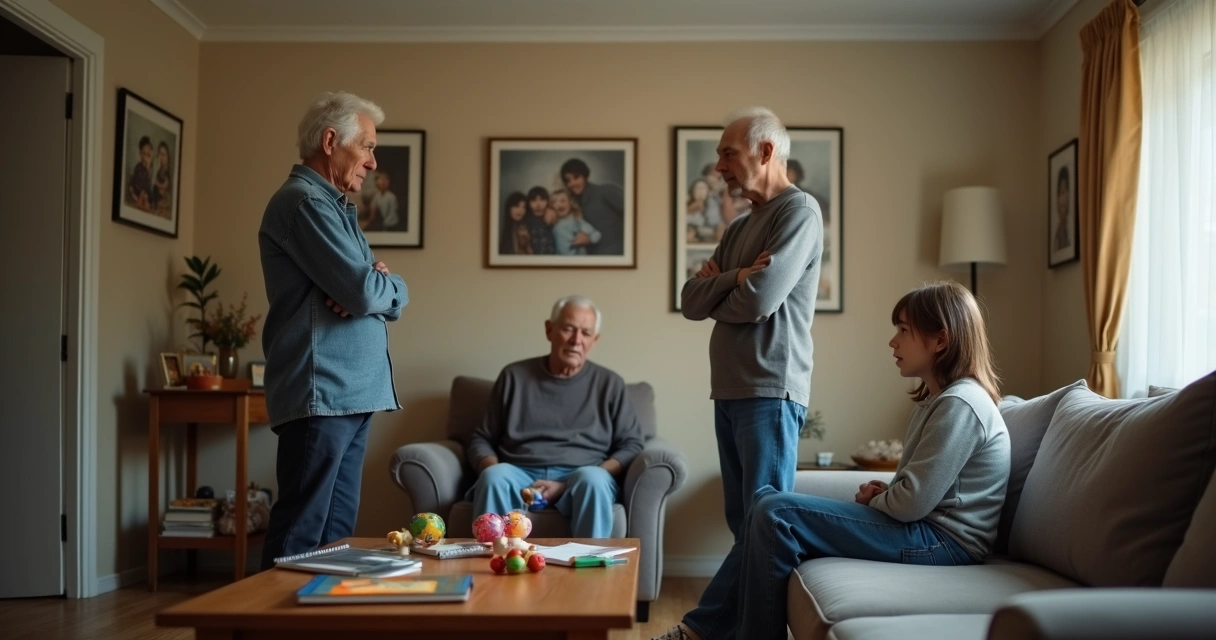
Every family carries forward more than genealogy; our daily habits silently shape the emotional landscape passed down through each generation. As we observe relationships, communication, and boundaries within our four walls, we often notice patterns—some nurturing, others limiting—repeating themselves. We believe that understanding these habits is a first key step in shifting long-standing cycles and supporting new, healthier dynamics.
What are generational patterns?
Generational patterns refer to the ways attitudes, beliefs, behaviors, and coping mechanisms are passed from one generation to the next. Most of us experience these patterns not as conscious decisions, but as habits thoroughly woven into home life. These patterns can nurture resilience, or maintain dysfunction, often without anyone noticing until someone chooses to break the cycle.
Ten habits that keep cycles alive
Over years of study and experience, we have seen certain routines take root and quietly persist. Here are ten habits that repeatedly reinforce generational patterns at home:
- Unspoken emotionsFamilies often set an unspoken rule about which feelings are safe to express. Anger, grief, or fear are tucked away, and “everything is fine” becomes the family motto. When we don’t model open, honest emotional sharing, the next generation learns to bottle up their feelings as well.
- Authoritarian communicationIn many households, adults have the last word, no questions asked. Children observe that talking back or asking “why” is disrespectful. This dynamic can suppress individuality, encourage passivity, and teach the next generation to either blindly obey or rebel in secret.
- Role rigidityEvery family has its unspoken cast: the caretaker, the achiever, the peacemaker, or the rebel. Over time, these roles become rigid and are assigned, spoken or not, to each member. If left unaddressed, the same hierarchy and expectations get imposed on the next generation, allowing little room for change and growth.
- Avoiding healthy conflictWhen disagreements are swept under the rug, or when anger is met with silence, conflict turns into a source of anxiety instead of growth. We might say “let’s not talk about it” or change the subject. Children raised in this environment may repeat the habit by dodging difficult conversations in their own relationships.
- Repeating limiting beliefsPhrases like “people like us never…” or “that’s just the way it is” are common. These statements shape our worldview and become self-fulfilling prophecies. If we internalize limits placed by earlier generations, we’re likely to pass those same boundaries on.
- Money and scarcity mindsetsWhether it’s “money doesn’t grow on trees” or shame around talking about finances, children learn by watching how adults handle resources. If worry, secrecy, or conflict surround money, the mindset is often adopted unconsciously and carried into adulthood.
- Perfectionism and fear of mistakesAn expectation to “get it right” or “not make a fuss” can be deeply ingrained. When mistakes aren’t welcome, neither is growth. We’ve noticed that families who don’t embrace learning from errors tend to develop a culture of self-criticism that echoes through generations.
- Favoritism and unfair comparisonsOpen or subtle preference for one child over another invites rivalry and insecurity. When children hear “why can’t you be more like…” they internalize a hierarchy of worth. This comparison game rarely ends in childhood; adults may find themselves echoing it as parents later on.
- Unclear boundariesWithout clear distinctions between individual needs and family expectations, boundaries blur. As adults, we may continue to feel responsible for other people’s feelings, or believe our needs come last. This confusion stunts healthy autonomy and can repeat for years.
- Intergenerational silence about the pastSome stories are hidden, some wounds are not spoken of. Topics like loss, trauma, or shame get locked away, replaced with silence. This silence is often inherited, with descendants sensing something is amiss but never knowing the story—they are told “some things are better left unsaid.”

Small habits, big waves
We think it’s easy to mistake daily family routines as separate from the bigger changes we want to see in our lives. But these small decisions ripple outward. If we eat dinner together in silence every night, for instance, we reinforce that connection doesn’t require conversation. If we say, “Ask your mother” or “Because I said so,” we quietly affirm hierarchical roles.
Change the routine, change the pattern.
Sometimes, the first step is simple. It might be pausing to ask a child how they feel, admitting when we are wrong, or talking openly about past mistakes. When families choose to break one of these habits, the system begins to bend—sometimes quietly, sometimes with resistance, but always with the possibility for renewal.
How we can start shifting patterns
The truth is, none of us are immune to family legacies. Our research has shown that awareness opens the door to new options. Habits like reflective conversation, shared responsibility, story-telling about family history, and gently questioning the “rules” can plant healthy seeds. If we can bring conscious attention to what we do without thinking, we move from repetition to choice.

We’ve also found that support from trusted friends, communities, or even resources on systemic awareness and emotional health can help us stick with new intentions. Learning through philosophy, or observing stories of change in leadership, can deepen our sense of agency and hope. For inspiration from our writers and guides, you might discover stories at our team's page.
Conclusion
Every family has habits—they can constrain or liberate. When we shine a light on actions we repeat, we give ourselves the choice to heal, nurture, or reimagine. Generational patterns lose their grip when we choose to respond differently, no matter how small the step. Rather than fate, our daily choices become the soil in which new traditions can grow.
Frequently asked questions
What are generational patterns at home?
Generational patterns at home are repeated behaviors, beliefs, and emotional responses passed unconsciously from parents or caregivers to children. These patterns shape how family members communicate, handle conflict, express feelings, and view themselves and the world. They can be supportive or limiting, but they tend to persist unless someone notices and makes a deliberate change.
How can I break unhealthy family habits?
Breaking unhealthy family habits starts with recognizing them. Once we see what’s being repeated, we can talk about it openly, set new boundaries, and practice different responses—even if it feels unfamiliar at first. Sometimes, inviting outside support or learning more about systemic awareness can make the process feel safer and more manageable. Consistency and compassion are essential—change is most sustainable when we go step by step.
Why do generational patterns repeat?
Generational patterns repeat because they become automatic and familiar, often reinforced by silence, reward, or fear of change. Children learn what is modeled, not just what is said. When difficult topics remain unspoken or roles go unquestioned, the system prefers reliability and security over uncertainty. Patterns continue until awareness and intention interrupt the cycle.
What are common generational habits?
Common generational habits include emotional suppression, rigid roles (such as always being the “responsible” one), secrets about family history, repeating financial worries, and avoiding open communication about mistakes or needs. Others are favoritism, unclear boundaries, or a tendency to avoid disagreements rather than discuss them constructively.
How to talk to family about change?
Talking to family about change works best when we approach it gently, with honesty and respect. Instead of blaming, we can use “I” statements to share what we notice and hope for. Asking questions, listening without interruption, and being patient with different reactions all help create a safer space for meaningful dialogue. It is helpful to focus on emotions and shared goals rather than just criticizing the past.