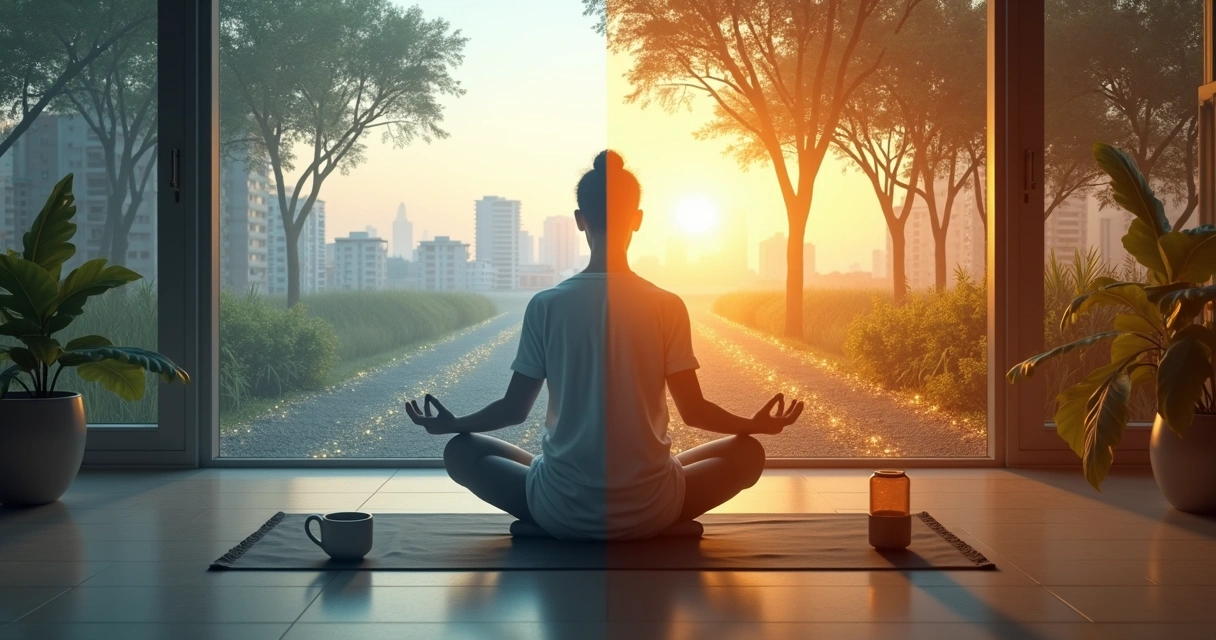


Reactivity draws us into cycles of conflict, unrest, and personal discomfort. We have seen how even small triggers can ripple through our thoughts, emotions, families, and the broader systems we inhabit. Meditation, when practiced with systemic awareness, offers a way to stop these automatic reactions before they multiply into something larger.
We want to share seven practical steps in Marquesan meditation that, in our view, can gradually transform reactivity into conscious presence. These steps are grounded in years of observation and practice, helping us respond instead of react, and create healthier relationships with ourselves and others.
Understanding reactivity: Where does it begin?
Reactivity starts in the body, long before we form conscious thoughts. An unpleasant word, a sudden noise, or a remembered hurt can set off a chain of sensations. Muscles tense, breathing changes, and inner stories rush in to make sense of what happened.
Often, we don't realize that our reactions are shaped by deeper patterns—sometimes inherited, sometimes learned in childhood, and often reinforced by the culture we live in. To reduce reactivity, we need to recognize it not as a personal failure but as an automatic survival mechanism. In our experience, this is the first step towards change.
Step 1: Recognize the trigger
At the heart of reducing reactivity lies the ability to pause and notice. We have found that training simple recognition is more powerful than striving for immediate calmness. When a reaction begins—maybe a sting of anger, a sudden shutdown, or anxious racing thoughts—name it inwardly:
- "Here comes tension."
- "I feel my face grow warm."
- "My chest feels tight."
This gentle naming interrupts the automatic loop. The more quickly we recognize a trigger, the more options we create for what comes next. Instead of falling into the same old argument or withdrawal, we make room to respond with awareness.
Step 2: Anchor in the body
Reactivity tends to lift us out of the present moment, into old stories or future worries. Therefore, our next step is to return to the body. Notice your feet on the ground, your seat in the chair, your hands resting. Feel the air entering and leaving through your nose.
Bring yourself home to your body first. The mind will follow.
We have learned that physical anchoring slows down racing thoughts and helps us reset our nervous system. This groundedness is what allows meditation to move from theory to experience.
Step 3: Allow the feeling to be present
One common tendency is to fight, suppress, or argue with uncomfortable feelings. We have seen how this only makes them stronger. Instead, let the emotion be here. Say quietly to yourself:
- "It is safe to feel this."
- "This anger is here right now."
Notice the shape, color, or movement of the feeling in your body—without trying to resolve it instantly. It may help to imagine that you are sitting beside the feeling as an observer. Allowing creates space, and in that space, old patterns start to loosen their grip.
Step 4: Breathe consciously
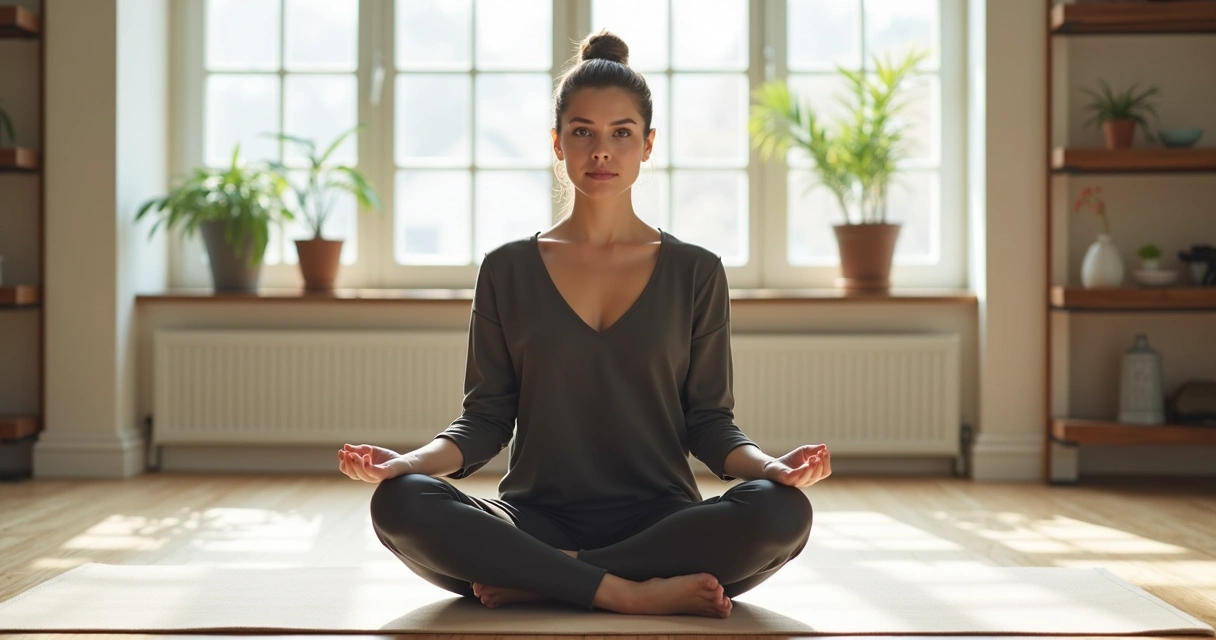
Our breath is the bridge between automatic reactivity and mindful response. As you notice strong emotions or agitation, shift your attention to breathing. Try inhaling slowly for four counts, pausing briefly, and exhaling for six counts.
If that feels forced, simply pay attention to the movement of breath. Notice air cooling your nostrils as it enters, warming as it leaves. There is no need to force anything; attending is enough. With time, conscious breathing can invite calm, clarity, and even insight about what the reaction is really about.
Step 5: Witness your inner dialogue
Often, our mind races to judge, blame, or justify when we feel triggered. "This shouldn't happen," or "They’re so unfair." Instead of getting pulled into those narratives, we recommend treating thoughts as passing clouds. Notice them, label them ("judgment," "justification"), and let them pass without acting on them.
This witnessing stance is not about suppression. It is about seeing the story without merging with it. By recognizing internal dialogue as commentary—not truth—we free ourselves to respond with more maturity.
Step 6: Connect with the bigger context
Every feeling and reaction comes from somewhere. Behind anger may be old hurt; behind anxiety, a learned sense of danger. We have found great support in looking for these hidden roots—not with blame, but with gentle curiosity.
For example, when we feel left out at work, pause and wonder, "When have I felt this way before?" Sometimes, these emotions travel through family, culture, or unspoken loyalty to collective stories. Context makes reactions less personal and more understandable. With this wider lens, compassion for ourselves and others grows.
Step 7: Respond consciously
After moving through all the previous steps, a gap opens—that small space between stimulus and reaction. In that gap, conscious choice is possible. Ask yourself, "What supports healing or clarity right now?"
Maybe it is saying a simple truth with honesty. Perhaps it is stepping away for a moment. Sometimes, it is just allowing silence until words become gentle again. Each act from this place reorganizes not just our own system, but the energy around us as well.
Bringing practice into daily life
These seven steps can be practiced in formal meditation or on the go—at work, in traffic, during tough conversations. We have noticed that with regular practice, reactivity gradually loses its power to shape our relationships and our own internal sense of self.

If you want to deepen your understanding of how meditation supports broader emotional health, see more articles in the meditation section and emotional health library. For the philosophical roots and systemic aspects, the philosophy collection and systemic awareness guides offer more perspectives. Searching for practical advice on reducing reactivity can be another good place to start.
Conclusion
Reducing reactivity is a process, not a single event. It involves a daily commitment to pause, notice, and choose. Each conscious choice we make supports not only our own peace of mind but also healthier families, organizations, and communities. We believe that through these practical meditation steps, we each contribute to more mindful, less reactive systems around us.
Frequently asked questions
What is Marquesan meditation?
Marquesan meditation is a practice that combines body-based awareness, emotional acceptance, and systemic insight to reduce automatic reactions. Its aim is to help us pause and see the root causes behind our emotions, fostering greater presence, self-knowledge, and compassion.
How does Marquesan meditation reduce reactivity?
The meditation works by guiding us through steps that notice, accept, and shift our relationship to reactive feelings. Instead of acting out or denying strong emotions, the practice teaches us to anchor in the body, witness our internal stories, and open to a larger context. This process interrupts habitual cycles, allowing space for more thoughtful and kind responses.
What are the seven meditation steps?
The seven steps are: recognizing the trigger, anchoring in the body, allowing the feeling, breathing consciously, witnessing inner dialogue, connecting with the bigger context, and responding consciously. Each step builds on the last, guiding us to move from automatic reaction to more intentional action.
Is Marquesan meditation good for beginners?
Yes, the steps are clear and practical, making them accessible for those with little or no previous meditation experience. You can start with just one or two steps, gradually adding more as you feel ready. The process is adaptable to your needs and daily life.
How can I practice Marquesan meditation daily?
You can dedicate a few minutes each day, perhaps sitting quietly in the morning or evening, to work through the steps. Alternatively, use them during moments of strong feeling—a pause at work, a family disagreement, or while reflecting on your day. Consistency is more helpful than intensity; even short, regular practice brings change over time.