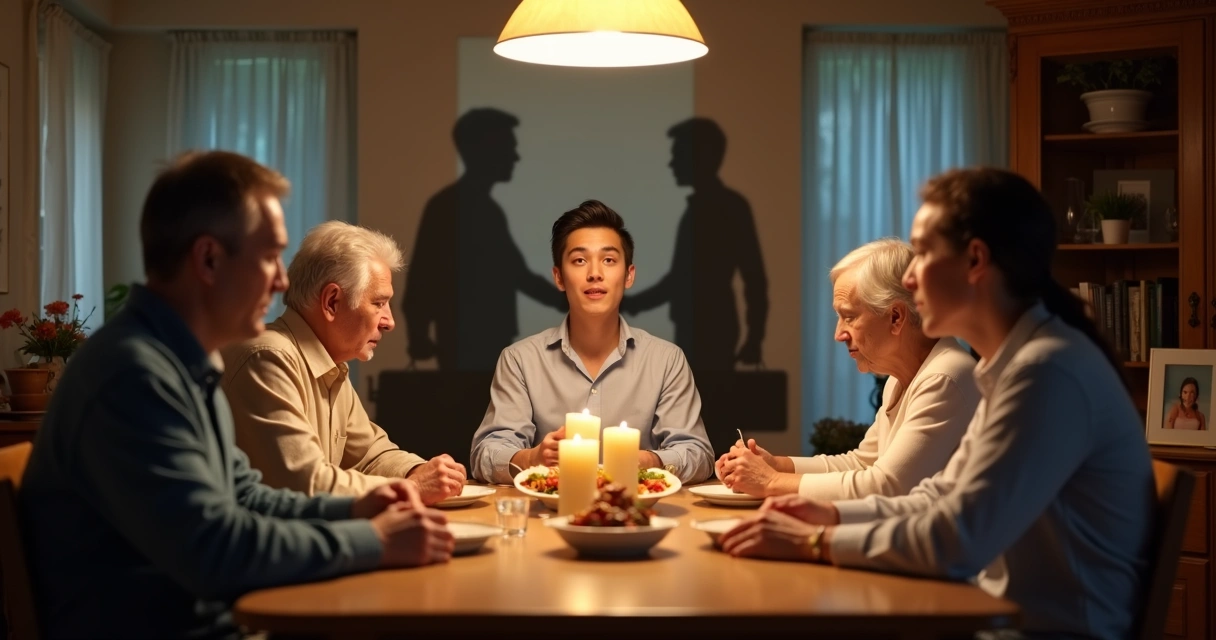

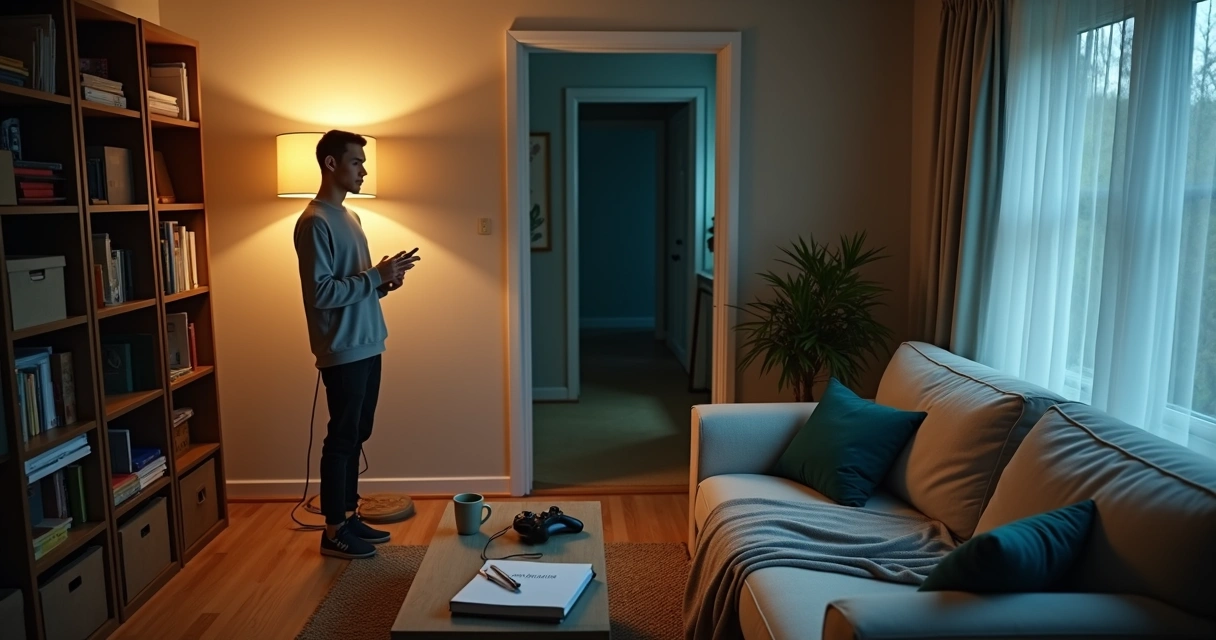
Home has memory. Not only in objects, routines, and rooms, but also in reactions. We notice it when the same argument returns with a new topic, when silence grows in familiar places, or when one tense mood shapes the whole evening. This is where emotional inertia appears. It is the force that keeps a feeling, pattern, or reaction moving long after the first trigger is gone.
Emotional inertia at home is the tendency of feelings and reactions to repeat themselves, even when the original moment has passed.
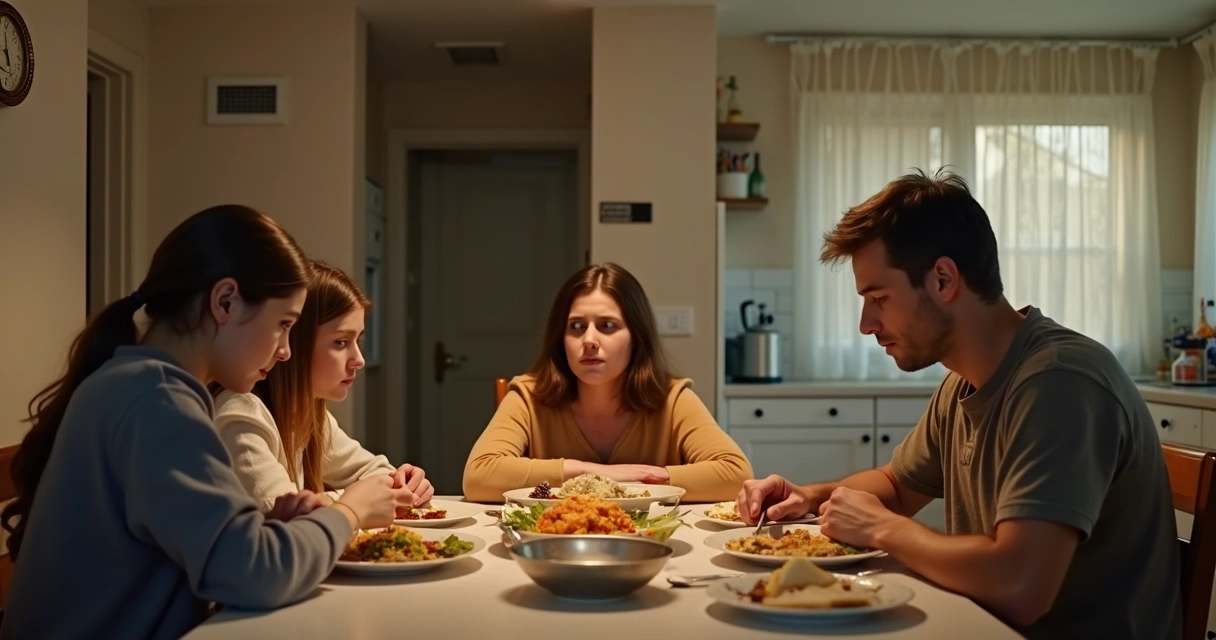
We see this often in ordinary scenes. One person comes home tired. Another asks a simple question. The answer sounds sharp. The room changes. Nobody planned conflict, yet everyone starts moving inside an old script. That is why observation matters. When we notice the pattern early, we stop treating every reaction as random.
This is not about blame. It is about seeing what keeps moving inside the family system. If we can observe it, we can respond with more care.
What emotional inertia looks like in daily life
Emotional inertia is rarely dramatic at first. It usually hides in small repeated moments. We may think, “This is just how evenings are here,” or “We always get tense when money comes up.” Such phrases sound normal, but they often reveal a pattern that has gained force over time.
Common signs include:
The same type of conflict appears with different topics.
One person’s mood quickly affects everyone else.
Silence is used to punish, avoid, or control.
Old family roles stay fixed, such as the peacemaker, the critic, or the one who withdraws.
Minor events trigger reactions that feel larger than the situation.
We think many households confuse familiarity with stability. They are not the same. A pattern can feel normal and still be harmful.
What repeats wants to be seen.
Start with observation, not correction
When people first notice emotional inertia, they often rush to fix it. We understand that urge. Still, fast correction can hide the pattern again. A better first step is careful observation.
Observation works best when we focus on sequences, not isolated moments.
Ask simple questions:
What happened right before the tension started?
Who changed tone first?
What did the others do next?
How long did the emotional climate last?
What helped it settle, if anything did?
We suggest choosing one recurring situation for a week. It may be mornings, dinner time, school issues, chores, or late-night conversations. Watch it with patience. Avoid making a case against anyone. You are mapping movement, not collecting faults.
If this kind of awareness interests you, it helps to keep related themes together, such as emotional health and systemic awareness.
Track the emotional chain
One of the clearest ways to observe inertia at home is to track the full emotional chain. We mean the path from trigger to atmosphere.
It often looks like this:
A small event happens.
Someone reacts from tension, fear, shame, or fatigue.
Others adapt, resist, or mirror that reaction.
The house takes on a shared emotional tone.
The same tone influences the next interaction.
A short story makes this clear. We once observed a household where the main tension seemed to be about clutter. Every evening, a complaint about shoes or bags near the door led to frustration. But the clutter was not the full story. The pattern started earlier, when one person arrived home already carrying pressure from work. The complaint was only the first visible point. The emotional chain had begun before anyone spoke.
This is why surface topics can mislead us. The true movement may start elsewhere.
For people who want to keep studying this pattern, a focused search on emotional inertia can help organize reflection.
Pay attention to roles and loyalties
Homes often run on unspoken roles. One person keeps peace. Another carries anger. Someone becomes the capable one. Someone becomes the fragile one. These positions may begin as ways to survive stress, but over time they harden.
Emotional inertia often survives because each person keeps acting from an old role, even when the role no longer helps.
We can observe this by listening for repeated statements:
“I always have to be the calm one.”
“Nobody hears me unless I get loud.”
“If I do not handle it, nothing gets done.”
“It is better if I say nothing.”
These lines reveal more than preference. They point to emotional positioning inside the home. In our experience, roles become strongest when they are mixed with loyalty. A person may keep repeating a painful style because it feels tied to belonging, safety, or identity.
Use the body as a signal
The body often notices emotional inertia before the mind names it. A jaw tightens. Breathing shortens. Shoulders rise. The stomach hardens before a certain conversation even begins.
That is useful data.
We recommend noticing three things in real time:
Where tension appears in the body.
What kind of thought arrives with it.
What action follows almost automatically.
Sometimes the body says, “This pattern is back,” before words catch up. Practices that slow reactivity can support this observation, and many readers find value in themes related to meditation when learning to pause.

Keep a simple home observation note
You do not need a complex method. A short note after repeated tense moments is enough. Keep it brief so it becomes sustainable.
We suggest these four points:
What happened?
What did each person seem to feel or do?
What old pattern did it resemble?
What interrupted it, or what kept it going?
After a few entries, patterns become visible. You may notice that conflict rises more on rushed days, after visits, around authority, or when one member feels unseen. That kind of clarity creates room for thought before reaction. It also connects well with deeper reflection found in topics related to philosophy, where meaning, action, and responsibility are considered together.
Conclusion
Observing emotional inertia at home is a practice of honesty. We are not only watching moods. We are noticing the hidden continuity between one reaction and the next. Once that continuity becomes visible, the household no longer feels ruled by mystery.
We believe change begins when we stop asking only, “Who started this?” and begin asking, “What keeps this moving?” That question is calmer, wiser, and more useful. It helps us see home not as a place of fixed personalities, but as a living system shaped by repeated emotional motion.
When we observe emotional inertia with care, we create space for new responses and healthier bonds.
Frequently asked questions
What is emotional inertia at home?
Emotional inertia at home is the tendency for feelings, reactions, and relationship patterns to continue repeating inside the household. It happens when tension, silence, criticism, or fear keeps shaping interactions after the first trigger is gone.
How can I observe emotional inertia?
We can observe it by watching repeated sequences instead of isolated events. Notice what happens before tension starts, who reacts first, how others respond, what emotional tone fills the house, and how long that tone lasts.
Why does emotional inertia happen at home?
It happens because homes develop habits of feeling and reacting. Old roles, stress, unspoken expectations, and unresolved experiences can keep people responding in familiar ways, even when those ways no longer help.
How to reduce emotional inertia effects?
The first step is to slow down and observe the pattern without blame. Tracking triggers, noticing body tension, naming repeated roles, and creating small pauses before reacting can reduce the force of the pattern over time.
Is tracking emotional inertia really helpful?
Yes. Tracking helps us see what repeats, what triggers it, and what changes it. A simple written record can turn vague tension into something clear enough to understand and address with more maturity.