


We all know the feeling when something hits us hard. Maybe it’s sadness when we say goodbye, relief after a stressful day, or joy when we meet a friend. These are classic examples of what many consider “primary emotions.” But beneath the surface of our emotional experiences, there is a second layer that gets much less attention—secondary emotions. We often ignore, dismiss, or minimize them. The truth is, when we downplay these layered feelings, we miss valuable insights about ourselves and our relationships.
Unacknowledged emotions don’t dissolve—they redirect.
By recognizing the value of secondary emotions, we open the door to deeper self-understanding and more authentic connection with others. In our experience, the journey toward emotional maturity always moves through—not around—these less obvious, but deeply influential feelings.
What are secondary emotions?
Secondary emotions are reactions that form in response to our first emotional responses. For example, feeling ashamed about feeling angry, or frustrated about being scared. While primary emotions come up immediately after something happens, secondary emotions develop as we process what we’re feeling under the surface.
- Primary emotions: Direct, instinctive responses (like fear, joy, or sadness).
- Secondary emotions: Feelings about our primary feelings (such as guilt about sadness, or pride about overcoming fear).
- Often, secondary emotions are shaped by our memories, beliefs, and past experiences.
We often express secondary emotions more openly than primary ones. When someone reacts with irritation, it may be hiding an underlying anxiety or vulnerability. Recognizing the difference between what we feel first and what we feel after can completely change the story we tell ourselves—and each other.
Why do we tend to downplay secondary emotions?
Downplaying secondary emotions is common for a few reasons. We may not even notice them. Sometimes we feel that certain emotions are less acceptable, less “reasonable,” or make us seem weak. Other times, we have learned from parents, teachers, or society to hide complex feelings—especially those that do not fit neat emotional categories.
Here’s why many of us end up minimizing these reactions:
- Social norms: Some emotions are labeled as “bad” or unhelpful, so we try to push them away.
- Fear of vulnerability: Admitting to feelings like jealousy, envy, or shame can feel risky.
- Lack of awareness: We may not be taught to notice the nuance of our emotional landscape.
- Desire for control: Secondary emotions can feel unpredictable, so we stick with what feels safe.
If we ignore these emotions, we risk repeating old patterns in families, teams, and communities. This creates a gap between what we show on the outside and what we truly feel on the inside.
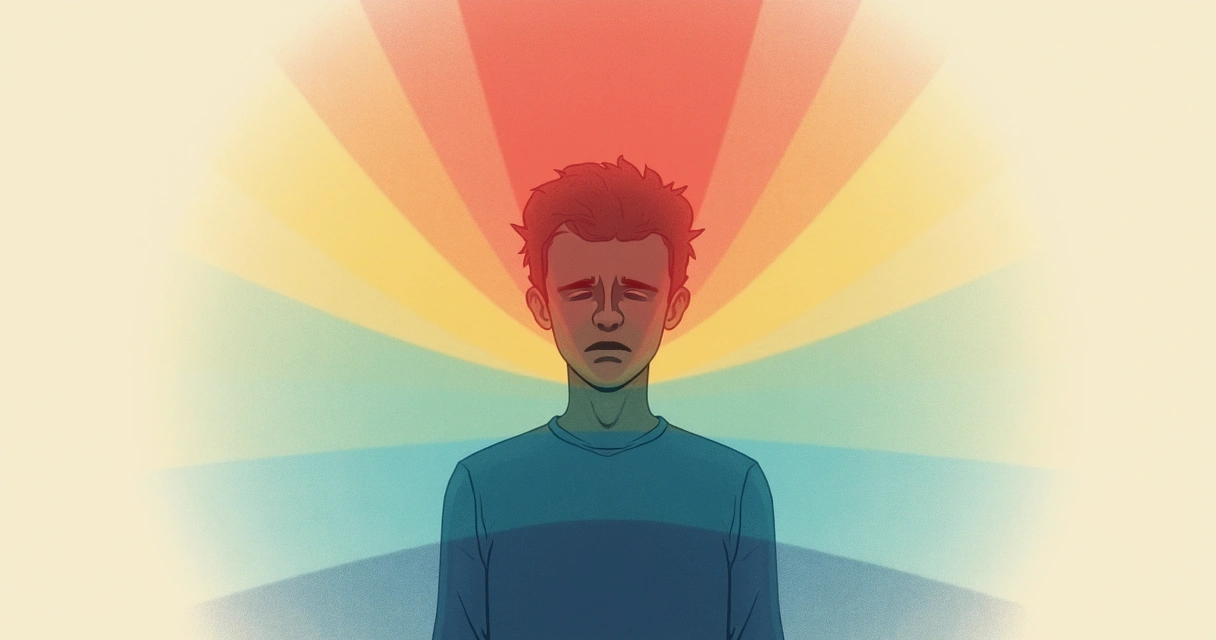
The hidden cost of denial
When we brush aside our secondary emotions, we may think we are making life simpler or tidier. In reality, these suppressed emotions keep working behind the scenes.
Common impacts of denying secondary emotions include:
- Overreacting to minor triggers that echo earlier, unaddressed hurts.
- Repeating unhelpful behavior in relationships because deeper feelings remain unexamined.
- Feeling stuck in decision-making, since the “real” reason behind our hesitation is hidden.
- Difficulty trusting ourselves or others, since our emotional signals are unclear.
When we minimize or ignore secondary emotions, unresolved patterns can echo across entire systems, from families to workplaces. This is not just a matter of personal suffering. It can show up as miscommunication, lack of empathy, and avoidable conflict in teams and organizations.
Real-life examples: How secondary emotions shape our days
Let’s look at a few scenarios that show the ripple effects caused by downplaying secondary emotions:
- The parent who bristles at their child’s anxiety: Underneath the irritation is often the parent’s own fear of being unable to help—or memories of feeling unsupported in childhood. Instead of sharing their worry, they become strict or distant.
- The colleague who criticizes mistakes harshly: The surface emotion is annoyance, but behind it may be shame from previous failures or fear of not being valued by the team. Rather than asking for support, they become perfectionistic.
- A leader who seems emotionally detached: Instead of connecting with their team, they project confidence and control. Inside, though, secondary emotions like shame or uncertainty may keep them distant and less accessible to others.
In our work, we have witnessed how understanding these hidden layers can transform organizations and relationships. Deep listening and curiosity often reveal that what looks like stubbornness, anger, or coldness is actually a mix of vulnerability, past wound, or hope for belonging.

Why understanding secondary emotions matters
Secondary emotions are insightful guides that point us toward deeper needs and stories within ourselves. They signal where past pain is asking for attention, and where growth is possible.
By paying attention to secondary emotions, we:
- Unlock stuck patterns, both in ourselves and in our relationships.
- Develop empathy for others' struggles that might be hidden beneath their surface reactions.
- Learn to respond more wisely and act with maturity, not just in the heat of the moment.
- Interrupt cycles that echo through families, organizations, and even cultures.
We also become more aware of systemic influences on individual feelings. If you are curious about such connections, we recommend reading more in our systemic awareness section. Emotional patterns are rarely just about the person—they often mirror larger dynamics at play.
How to honor and work with secondary emotions
Bringing secondary emotions into focus starts with curiosity, not judgment. Here are steps we consider useful:
- Pause when emotional reactions seem “off” or outsized. Ask yourself what you are really feeling under the first reaction.
- Label, if possible, both the primary and secondary emotion. For example: “I felt hurt, then I became angry about feeling hurt.”
- Reflect on where you learned to hide or judge certain emotions. Was it in your family, school, or workplace?
- Share with a trusted person, or journal your experience. Naming these emotions is often the first step to integration.
- Notice repeating cycles. Do the same secondary emotions show up in key relationships or work situations? These patterns are signals for attention.
Practices like self-inquiry, presence, and mindful conversation help create space for these emotions to speak. They also prevent us from reacting in ways that repeat pain or amplify conflict. If you wish to read more about emotional health and practical tools, our emotional health articles are a good resource.
Secondary emotions in leadership and culture
In leadership roles, downplaying secondary emotions can quietly shape entire teams or organizations. A leader who is anxious about being vulnerable might act with unnecessary harshness, fearing loss of authority. Others may follow this lead, building a cycle of avoidance and silence.
Leadership that honors complexity sets the tone for healthier, more adaptive work cultures. Open conversation about emotions—especially the layered kinds—helps resolve tension and prevent burnout. It also inspires trust and loyalty.
For more on how conscious leaders integrate emotional awareness, visit our articles on emotional leadership.
Ethics, personal meaning, and systemic change
When we respect secondary emotions, we are also respecting our values and the meaning behind our choices. Many ethical dilemmas hide beneath secondary feelings like guilt, envy, or resentment. By acknowledging the full spectrum of our emotional responses, we make choices that are more considered and less reactive.
This is not just about self-reflection. It is about shaping more responsible, responsive relationships and communities. If you wish to consider philosophy’s contributions to these ideas, you might enjoy reading the philosophy section for more insights.
Conclusion: Maturity is seeing the whole picture
Secondary emotions are not mistakes or distractions; they are invitations. They point to needs, boundaries, and untold stories. When we pay attention, we grow in self-understanding and empathy. Rather than causing harm or repeating the past, we open doors to positive change.
The path to emotional maturity runs through the feelings we most want to ignore.
If you want to deepen this journey, our collection of articles about secondary emotions will support greater self-awareness in all areas of life.
Frequently asked questions
What are secondary emotions?
Secondary emotions are emotional responses that occur in reaction to an initial feeling or primary emotion. For example, if sadness is your primary reaction, you may feel guilty or ashamed about being sad—these are secondary emotions. They are often shaped by life experiences, beliefs, or social expectations and can be more complex or nuanced than primary emotions.
Why do people downplay secondary emotions?
People downplay secondary emotions for several reasons. We may see them as “unacceptable” or too complicated. There is often a fear of judgment or vulnerability, and many of us have learned to value supposed emotional strength over emotional complexity. Sometimes, secondary emotions don’t fit clean narratives, making them easier to ignore rather than face honestly.
How can I recognize secondary emotions?
To recognize secondary emotions, pay attention to feelings that arise about your first reaction to a situation. For instance, if you first feel hurt but then notice yourself getting angry at that vulnerability, the anger is likely a secondary emotion. Reflect, journal, or talk about your experiences to help bring these feelings to light.
Is it harmful to ignore secondary emotions?
Yes, ignoring secondary emotions can be harmful. It often leads to repeated conflict, poor decision-making, and emotional distance from others and yourself. Suppressed secondary emotions keep influencing our behavior in unseen ways, sometimes leading to stress, miscommunication, or unhealthy patterns in both personal and work relationships.
How can I validate secondary emotions?
Validating secondary emotions starts with self-awareness and acceptance instead of judgment. Try to pause and recognize when you’re having an emotional reaction to another feeling. Accept the emotion as part of your experience, share or journal about it, and remember that these feelings are information—not a failure. Over time, this practice helps to integrate and heal old patterns.