


Grief is one of the oldest human experiences. Yet still, we often treat it as something private, invisible, or best left behind closed doors. We have seen in families, workplaces, and even communities how the pain that is not spoken becomes shared in ways few suspect—quietly shaping relationships, choices, and futures.
Grief as an emotional link in human systems
When we think about grief, we usually picture sadness or mourning in response to losses—death, separations, life changes. But grief is much more than sorrow. It is a process of adjusting our internal world when something we valued is gone. If that process is interrupted or denied, grief does not simply disappear. It stays present in our behaviors, interactions, and systems.
Unprocessed grief is not just a personal challenge; it is a systemic one. In our experience, what we do not address inside ourselves often shapes our relationships with others. When grief is not given space, it reshapes families, workplaces, and even larger social groups in subtle but persistent ways.
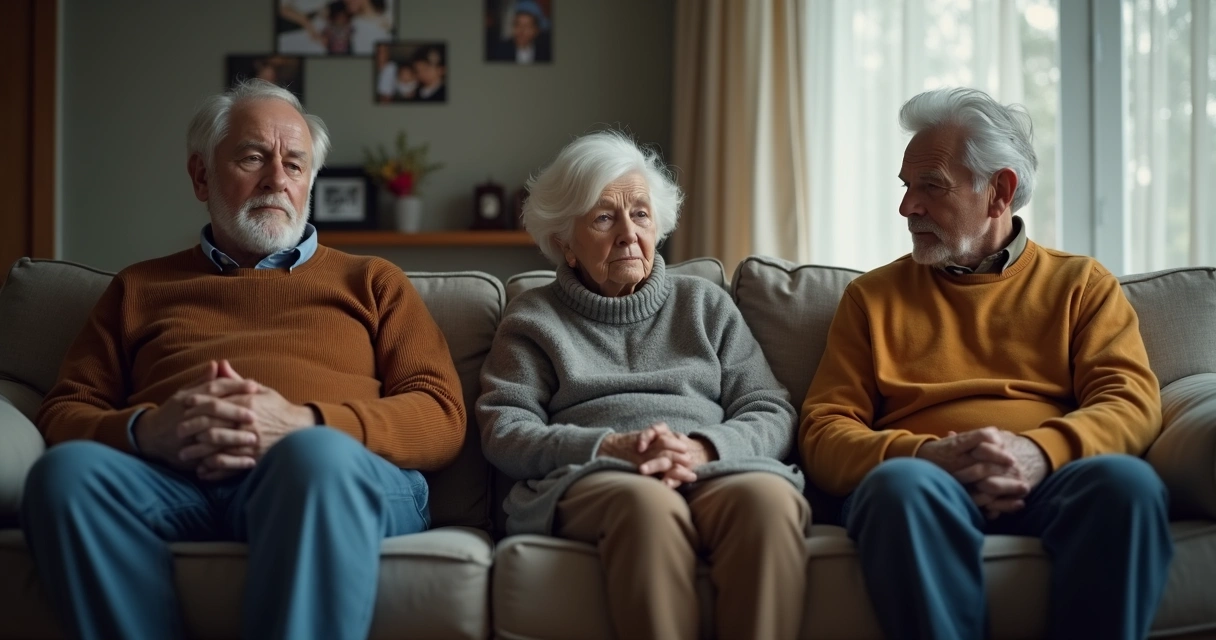
How unprocessed grief shapes group dynamics
From what we have observed, grief that remains hidden does not stay static. It affects how people interact, communicate, and make decisions. In families, a loss that is never discussed can echo for generations. In organizations, a sudden departure or failure can create silences, mistrust, and lowered morale that outlast the event itself. We have found that grief often shows up in indirect forms:
- Increased conflict or tension
- Avoidance of specific topics or people
- Unspoken "rules" about what can and cannot be expressed
- Sudden changes in energy, motivation, or engagement
- Repeating patterns of loss or disconnection
These symptoms may be mistaken for communication problems or personality issues, but underneath, unprocessed grief is pushing its way into the space between people.
The transmission of grief across generations
The idea that grief can be transmitted from one person to another might seem strange, but we believe there is evidence everywhere. Families are the most frequent example. When a loss is not named or mourned, children and grandchildren may "carry" the sadness of parents or grandparents as their own, without direct knowledge of the original event.
Invisible grief becomes a silent bond holding generations together.
We have seen that what one generation suppresses, the next may express in unexpected ways: anxiety, isolation, or repeating the same loss. This intergenerational movement of grief is one reason some family patterns seem so hard to break.
Grief in the workplace and social organizations
Workplaces, teams, and broader communities are also affected by unprocessed grief. The departure of a valued member, the collapse of a trusted project, sudden changes—these all bring their own mourning. Yet, professional settings rarely allow for open expressions of loss. Instead, people cope by disconnecting, blaming, or repressing their feelings.
We have observed that when collective grief is denied, organizations often experience:
- High turnover or absenteeism
- Loss of trust in leadership or team direction
- Reduced creativity and risk-taking
- Disproportionate reactions to small problems
- Persistent negative moods or "emotional flatness"
When grief is not supported, cultures can tilt toward cynicism, fragmentation, or resignation. The emotional climate of a group changes in ways that can be felt, but not always named.

Unspoken grief in societal structures
Communities, cultures, and even entire countries can carry grief at scale. Sometimes, unresolved historic losses produce social symptoms: divisions, mistrust, and repeating cycles of conflict. There can be collective silence around traumatic events, causing people to feel disconnected—not only from others but from their own emotions.
We have noticed that, unlike individual sadness, collective grief seeps into norms, rituals, and shared beliefs. Generations later, people might wonder why certain topics are "dangerous" or why it is hard to trust. The roots are often hidden in unprocessed collective loss.
For those interested in the deeper patterns of how social systems respond to unintegrated emotion, we suggest reviewing resources on systemic awareness. This lens reveals the many levels at which grief can shape group identity and stability.
Paths to recognition and healing
Bringing grief to awareness within social systems is not simply about having conversations. It requires creating spaces where loss can be witnessed and given language. In our work, we have noticed several markers that indicate when groups or families are ready to begin transforming grief:
- Acknowledgment of what has been lost, without minimizing or denying it
- Permission to experience and express sadness, confusion, or anger
- Restoration of rituals that allow for mourning
- Safe storytelling that links past events to present realities
- Supportive leadership or elders who exemplify vulnerability
These practices do more than reduce the burden of hidden grief. They create shifts in how people feel connected, seen, and heard. Families become less mired in silence. Teams recover purpose and cooperation. Communities begin to build new narratives.
For those who wish to deepen their understanding of the emotional aspect, further materials on emotional health and philosophical meaning can offer guidance on how emotion and ethics intertwine.
The link between inner reconciliation and collective change
We cannot underestimate the connection between our internal world and the larger systems we participate in. When even one person begins to process their grief, it often frees new possibilities for the group around them. This is not only a matter of personal well-being; it can be the start of large-scale transformation.
In leadership contexts, we have found that emotionally present leaders help others face and heal their losses. This reduces the spread of hidden grief, lowering repetition of destructive cycles in business or community life. If you are in a position of influence, materials on leadership and presence might be especially helpful.
Interrupting the cycle: Creating new patterns
We believe that becoming aware of how grief moves in systems gives us a chance to interrupt old cycles. Processing grief is not about forgetting but about integrating its lessons. This often requires seeking new tools or perspectives, perhaps using guides in group facilitation, narrative therapy, or community rituals.
Wherever we notice stuckness, loss of trust, or repeated problems, we can ask: "What is the grief here that has not been spoken?" Sometimes, naming it is the beginning of healing.
For those searching for specific ways to recognize, talk about, or work with grief in their own context, reviewing our collection of resources on grief may bring new insight.
Conclusion
Unprocessed grief does not remain contained. It moves through conversations, decisions, and silences. It shapes families, workplaces, and societies—often more than we realize. But as we allow ourselves and our social systems to witness and attend to grief, the possibility for new, healthier patterns emerges.
Healing begins where grief is welcomed, not hidden.
Frequently asked questions
What is unprocessed grief?
Unprocessed grief is emotional pain and loss that has not been fully recognized, expressed, or accepted inside a person or group. Instead of moving through the natural mourning process, these feelings remain suppressed, denied, or hidden, often surfacing later as stress, conflict, or unexpected sadness.
How does grief impact social systems?
Grief impacts social systems by influencing behavior, communication, and relationships in families, workplaces, and communities. When left unaddressed, grief can lead to patterns of avoidance, silence, or tension that affect the overall health and function of the group. It may also cause cycles of repeating problems or conflict across generations or teams.
Can grief spread between people?
Yes, grief can spread between people in both direct and subtle ways. If someone in a family or group is not able to process a loss, others may "carry" that sadness in their own lives through loyalty, empathy, or unconscious reactions. Over time, these emotional patterns shape the group, affecting new members and sometimes continuing across generations.
How to recognize unprocessed grief?
Unprocessed grief can show up as ongoing sadness, irritability, or numbness, especially after a loss has occurred. In groups, it may appear as long silences about certain events, tension around specific dates, or resistance to discussing the past. Sometimes, repeating conflicts or avoidance patterns point toward hidden grief underneath.
How can communities heal from grief?
Communities can heal from grief by creating spaces for acknowledging loss, encouraging open conversation, and supporting mourning rituals or storytelling. Leadership that models vulnerability and a willingness to process emotions can help set the tone for healthy group healing. Sometimes, working with guides or facilitators can assist in naming, honoring, and transforming collective unprocessed grief.