

Families shape the way we respond to challenges, hold onto lessons from the past, and imagine what is possible for our future. When one member seeks healing, the question often arises: should the journey be walked alone, or does the whole family need to move together? Our experience shows that both individual and collective healing offer gifts and limitations. When we compare them, we see how they interact—and why families struggling with inherited pain, conflict, or distance often benefit from a more nuanced approach than “just talking it out.”
The roots of family patterns
What brings pain or disharmony to a family? Sometimes it is a visible event—a crisis, loss, or a direct betrayal. More often, we find that the roots stretch out over time. Patterns repeat. Rules get passed down without being spoken aloud. Secrets create distance. Emotional burdens are transferred, often unknowingly, generation after generation.
Family patterns are rarely isolated to one person. But the awareness of them, or the desire for change, often begins with one member: the “seeker.” From this recognition, the healing journey can go in more than one direction.
What do we mean by individual healing?
Individual healing usually begins when one family member recognizes pain, confusion, or a pattern that is no longer tolerable. This may lead to personal therapy, meditation, journaling, or simply the commitment to change. The key features of individual healing within a family context include:
- Focus on personal narrative and emotional experiences
- Learning boundaries and self-understanding
- Processing emotions such as guilt, anger, shame, sadness, or fear
- Forming new internal resources or coping skills
- Gradually shifting personal patterns of reaction and decision
Through individual healing, family members often gain insight and clarity about their own contributions, wounds, and goals. Sometimes, this creates enough change to influence the larger group—even when not everyone is involved in formal work.
We have seen how one person’s new choices—like setting boundaries, healing from addiction, or developing emotional responsibility—can trigger hopeful shifts in long-standing family cycles. But individual healing has limits too.
“One healed heart can change a story. One unhealed heart can keep a pattern alive.”
What does collective healing look like?
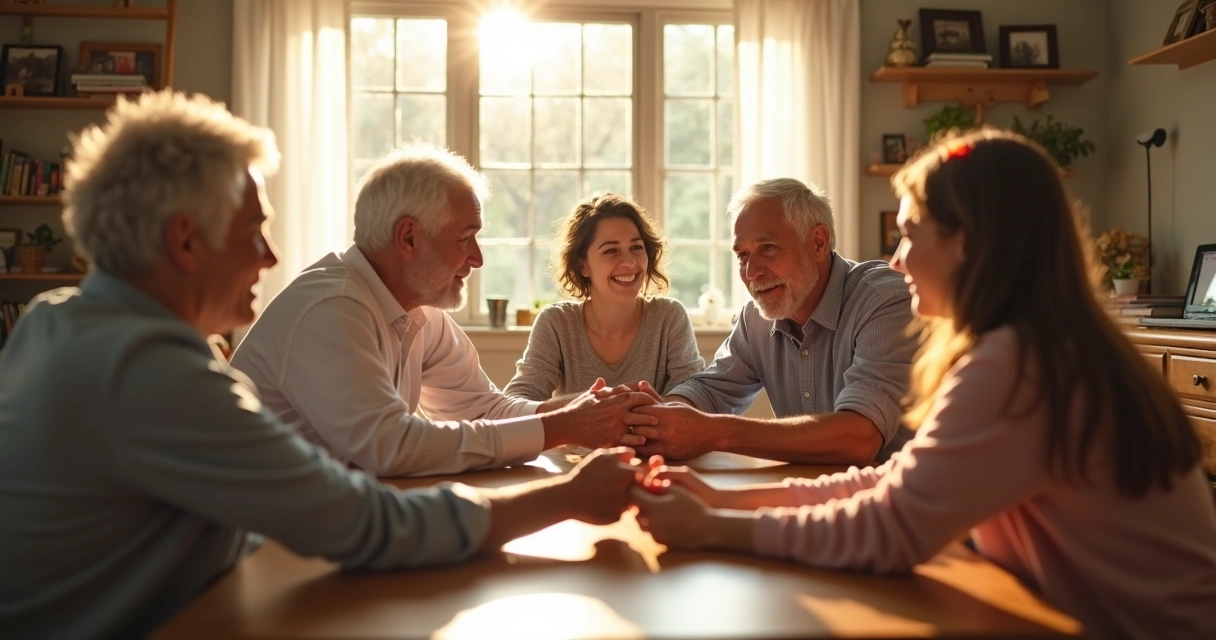
Collective healing brings the wider family (or part of it) into the healing process together. This doesn't mean every family member must participate for it to work, but it requires a shared commitment to face the patterns and stories as a system.
The central aspects of collective healing within families include:
- Shared recognition of the family story or challenge
- Creating space where everyone can voice emotions, needs, and perspectives
- Acknowledgment of events or patterns that shaped the group
- Openness to new agreements or ways of relating
- Intention to interrupt cycles that hurt or exclude
Family gatherings, facilitated conversations, or group practices such as systemic exercises can be forms of collective healing. Sometimes these efforts feel powerful, joyful, or even awkward and uncertain. Real change, in our view, is rarely quick. But the benefits can be lasting:
“Healing together creates new possibilities for everyone.”
The strengths and limits of individual healing
We find that individual healing within families is especially effective when:
- The family environment resists or avoids change
- One member seeks clarity or release from emotional pain
- Trauma or boundaries make collective work unsafe
- The healer needs personal privacy or preparation before others join
The main strength of this mode is the freedom it allows. We can move at our own pace. Self-reflection leads to insight. There is less risk of sudden confrontation or group resistance. Individual healing also helps in building resilience and self-regulation. These qualities become building blocks when, or if, other family members choose to join the process later.
The limits are real as well. Personal healing may not change the family's behaviors, reactions, or deeper story—at least not quickly. The rest of the family might feel left out or threatened by changes in one member. At times, this can even create more distance before there is reconciliation.
The strengths and limits of collective healing
Collective healing holds special power when:
- The family is ready to face shared pain or confusion
- Old secrets have come to light, and there is curiosity about what’s next
- Relationships are marked by patterns that no one can change alone
- There is enough safety for at least some members to participate
The core strength here is in the transformation that comes from shared responsibility. When families heal together, people often feel new levels of understanding, empathy, and connection. The family story can shift for everyone at once, including those who rarely speak or who hold the pain in silence.
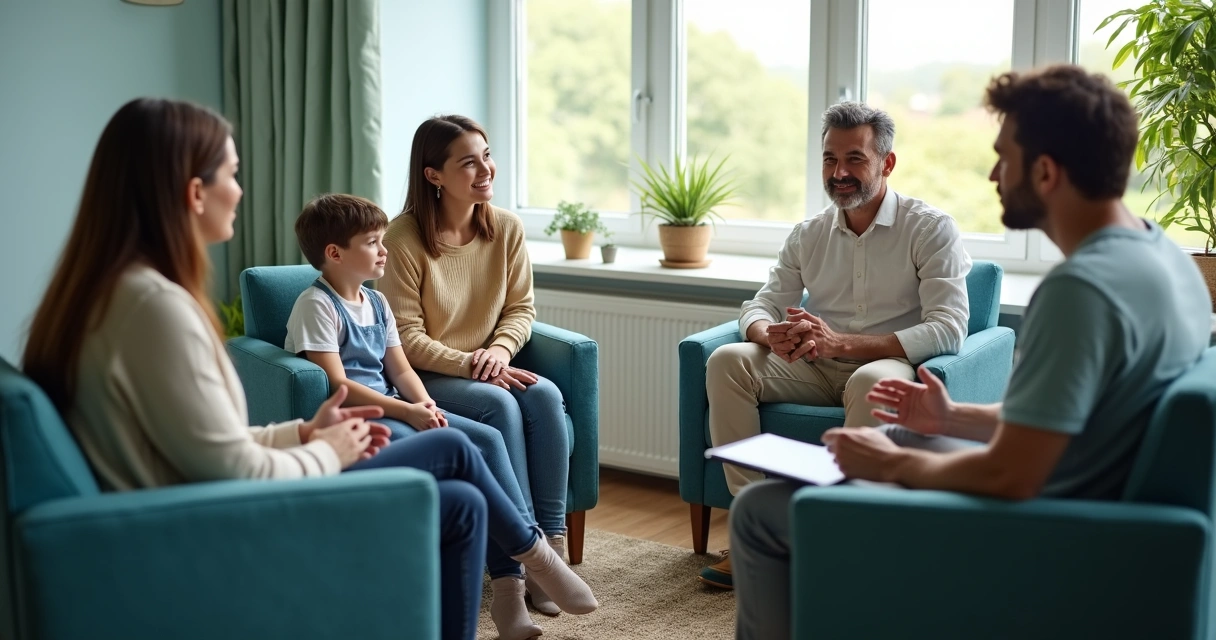
Yet, not all families are ready. Sometimes old wounds are too close to the surface, trust is fragile, or the risk of blame and conflict is high. One or more members might refuse to join. The process can easily stall or cause emotional withdrawal if it is forced.
Which matters more: individual or collective healing?
This is one of the questions we receive most often. Our answer is simple:
“True family change begins when someone chooses awareness and responsibility. The form it takes will fit the family's needs.”
There is no absolute measure for which pathway matters more. Many families experience real progress when one member starts with individual work before testing collective steps. Others find safety in group healing long before any member is ready to act alone. Some must cycle back and forth, at different speeds and with different combinations of people, to truly move forward.
Acknowledging the interconnected nature of both individual and collective growth reminds us that both forms of healing can support each other. For more perspectives on this relationship, we invite readers to browse our resources on systemic awareness and emotional health.
Can we combine collective and individual healing?
Combining both approaches often leads to deeper and longer-lasting change for families. One member may begin with therapy or self-reflection, creating room for vulnerability in family conversations later. Another family may gather for a group meditation or philosophy discussion, allowing some members to go deeper in their own time afterwards.
Our view is that healing is rarely linear. Families grow in cycles, sometimes stepping toward one another, sometimes needing space apart. Over time, each approach feeds the other. For families interested in philosophical tools or meditation-based practices that support both paths, further ideas can be found in our sections on philosophy and meditation.
When individual and collective healing meet: a short story
Consider a family that has gone without talking about a painful event for years. One daughter begins working with her emotions privately, building the strength to voice her truth calmly. Later, she shares a piece of her journey with her brother. The brother listens, asks questions, and soon brings both parents into a shared conversation. The original pain cannot be undone, but now each member has participated in moving the family forward. The journey started with individual insight and ended in collective healing.
How to begin the journey
For those wondering where to start, here are questions that often help:
- What part of the family story or pain feels closest to me?
- Can I begin with individual reflection, or do I want to invite others in?
- Where do I notice safety, trust, or openness—if anywhere?
- What would support look like right now: solitude, honest conversation, or a combination?
- Are there tools, practices, or guides that feel accessible for my situation?
A search through available articles and personal stories, such as those on family healing, can point the way toward first steps. Remember that each family, and each member, will have a rhythm that fits their needs. The most honest place to begin is with a willingness to see, feel, and act—with as much gentleness as we can.
Conclusion
When comparing collective and individual healing within families, we see that both have unique strengths. Individual healing honors personal experience and builds inner resilience, while collective healing allows the family to address shared patterns. The greatest progress often comes when families allow for both—recognizing that our stories are linked, and so is our ability to change.
Moving from isolation to connection is not always easy, but every step counts. In our vision, a healed family is not one without problems, but one that can meet them together, with honesty and care.
Frequently asked questions
What is collective healing in families?
Collective healing in families is when several family members come together to address shared emotional wounds or repeating patterns. This could involve open conversations, group practices, or guided sessions that aim to transform the family dynamic as a whole.
How does individual healing differ?
Individual healing is the process a single person undertakes to work through their personal struggles, triggers, or inherited family patterns. This approach is focused on self-awareness, emotional release, and developing healthy personal habits, even if the rest of the family does not participate.
Is collective healing more effective?
Both approaches can create change, but they serve different needs. Collective healing is often more powerful for addressing family-wide issues and breaking cycles, while individual healing is necessary when the group is not ready or safe. Sometimes, a mix of individual and collective work leads to the best outcomes.
Can families combine both healing methods?
Yes, families often benefit most when both approaches are used. One member may lead with their own work and later invite others. Combining methods creates a feedback loop: as one member heals personally, it opens possibilities for deeper conversations as a group.
How to start collective healing at home?
Begin by identifying safe topics and finding a time when people are willing to listen. Use gentle invitations—asking questions or sharing feelings, rather than assigning blame. If helpful, use familiar practices or resources to open the conversation. Small steps, like regular check-ins or shared meditations, can create openings for larger healing in the future.