


Have you ever noticed how some worries seem to pass quietly from parent to child, sometimes without a word being spoken? As we look around at families, classrooms, or even our own homes, we see the same types of tension, fear of failure, or discomfort in the face of uncertainty showing up in each generation. This pattern is not simply coincidence. It is the shadow of inherited anxiety, traveling silently through parent-child bonds.
Understanding inherited anxiety
Inherited anxiety isn't just about DNA. It grows in the spaces between what we say and what we do, in the backgrounds of daily routines and bedtime stories. Children, almost like mirrors, reflect not just the emotions of those around them, but also the patterns parents have carried from their own families.
Inherited anxiety is the subtle, often unconscious transfer of anxious beliefs, fears, and reactions from parents to children. It can appear as perfectionism, an excessive need for control, or being easily startled by new situations. While genetics play a role, so do our emotional habits, the ways we handle stress, and even our tone of voice.
Seen this in your own life? You are not alone, and, thankfully, this cycle can be changed.
The systemic view: families as living systems
When we look at families with a wider lens, it becomes clear that individuals are never isolated. Every parent-child relationship is part of a living system, in which each member influences the others.
“Every reaction is a message. Every pattern is part of a larger story.”
A child absorbs not just words, but the silent agreements parents make with themselves about safety, success, and love. When parents respond to life with anxiety, children internalize this as the “normal” way to be.
Patterns of anxiety persist not because anyone wants them to, but because the system unconsciously seeks familiarity, even if it causes discomfort. The good news is that when one person in a system changes, the system has a chance to reorganize itself.
Spotting the signs in yourself and your child
Sometimes, we are so close to our own experience that inherited anxiety is hard to see. However, the signs often include:
- Children withdrawing or clinging in new situations
- Repeated reassurance-seeking (“Will it be okay?”)
- Perfectionist tendencies or fear of mistakes
- Irritability or quick temper in both child and parent
- Sleep issues, such as trouble falling asleep or nightmares
For parents, it might show up as constant worry for your child’s future or a strong urge to shield them from discomfort. If these experiences feel familiar, it’s a sign the anxiety may be more than a passing phase.
Breaking the cycle: systemic awareness and practical steps
So, how do we create a new story—one where awareness interrupts old, repeating cycles?
Develop self-awareness first
The process begins with us, the parents. Children pay more attention to our actions than to our advice. By noticing our own reactions to stress, and naming our emotions, we open a space for change.
- Pause when you notice anxiety rising. Take a breath. Even a two-second pause can interrupt automatic reactions.
- Name your feeling, either aloud or privately: “I notice I’m feeling tense right now.”
- Model calming techniques, such as slowly counting to ten or stretching your hands.
With time, these small shifts become the new normal in our families.
Bring gentle curiosity to your family history
It can help to reflect on where your responses came from. Did you grow up with parents who worried often? Was there a family tendency to avoid talking about feelings?
Noticing these inherited habits is not about blame—it is about patterns. Once we see them, we can decide what to keep and what to let go.
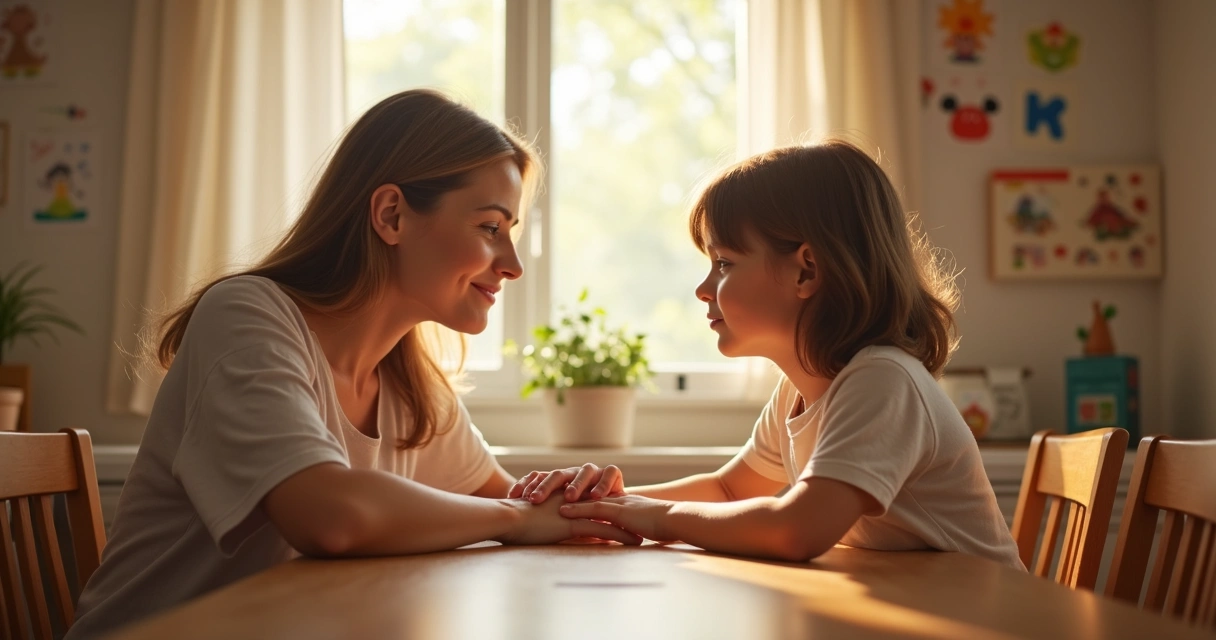
Strengthen the connection with your child
Strong bonds are the buffer against anxiety. A child who feels seen and heard is better able to process difficult feelings.
- Listen with full attention, even if the worry seems small.
- Normalize naming feelings: “It’s okay to feel nervous.”
- Share stories of times you felt anxious too, especially if you overcame it.
This type of connection builds resilience for both child and parent.
Encourage healthy habits and activities
Movement, creativity, and play help shift anxious energy. Activities might include:
- Going outside for daily walks together
- Drawing, music, or dance breaks to release tension
- Family “quiet time” for reading, puzzles, or gentle breathing exercises
If you are searching for new ways to support emotional health, regular routines that include movement and connection are a strong place to start.
Bringing attention to the present: mindfulness and meditation
One of the most overlooked tools for defusing anxiety is learning to stay present. Often, anxiety grows by imagining what could go wrong, rather than what is happening right now.
A simple, shared mindfulness practice can calm both parent and child. For example, you might try:
- Taking three slow, deep breaths together before meals
- Noticing three things you both can see, hear, and touch in the room
- Guided bedtime meditations with gentle stories
These small moments can shift the whole tone of a day. We’ve found that mindfulness practices, such as those found in our meditation resources, bring a sense of calm and stability.

Redefining value: shifting our perspective
How we define success and worth as a family shapes our emotional environment.
If we value only achievements, or emphasize never making mistakes, anxiety will grow. If, however, we praise courage, kindness, and honest feelings, anxiety loses its power. These choices create new pathways. This is the invitation to bring philosophy into family life: to ask, together, “What matters most to us?”
As we review our family guidelines, the articles on philosophy can serve as sources of inspiration for developing healthy priorities.
Embracing systemic change, not just symptom relief
It is tempting to look for quick fixes. However, inherited anxiety often asks us to respond differently: with steadiness and kindness toward ourselves and each other.
We know systemic change happens when we combine personal insight with action.
- Notice patterns—without judgment
- Interrupt old habits—with presence
- Repeat new skills—until they feel natural
If you want to read more about how anxiety can be understood in a broader context, resources on systemic awareness and past writings on anxiety can be helpful starting points.
Conclusion: Changing your family's story
Defusing inherited anxiety in parent-child bonds is less about perfect scripts and more about presence. When we become aware of our own emotional habits, our children learn new ways to face the world. With patience, small changes ripple outward—transforming not just individual feelings, but the very structure of our families.
Change happens in moments: A breath. A moment of listening. A decision to be gentle in the face of worry.
“A small change in one heart brings hope to an entire system.”
As we tend to our own growth, we offer our children freedom from patterns they never chose. That is real change, and it can begin today.
Frequently asked questions
What is inherited anxiety in families?
Inherited anxiety in families means that patterns of fear, worry, or overreacting to stress are unconsciously passed down through generations—not just in genes, but in behaviors, beliefs, and emotional responses. Children absorb not just words, but the feelings and reactions they see in adults, which solidifies these patterns over time.
How to spot anxiety in my child?
Look for patterns such as frequent worry about daily events, avoiding new experiences, seeking constant reassurance, trouble sleeping, or strong reactions to minor changes. If you notice your child is often tense, extra cautious, or has a hard time calming down when upset, anxiety might be influencing their behavior.
Can therapy help break anxiety cycles?
Yes. Therapy can help both parents and children develop new ways of responding to stress, improve communication, and heal patterns that have repeated for years. Professional guidance can support families in building healthier habits and emotional awareness.
How can parents manage their own anxiety?
Parents can benefit from simple calming routines, regular self-reflection, and practicing mindfulness. Sharing emotions openly, setting aside time for self-care, and seeking support when needed all help reduce anxiety. Over time, these habits model powerful skills for children.
What activities reduce anxiety in children?
Physical activity like walking, sports, or dancing helps release tension. Creative activities—drawing, music, or building—allow for safe expression of feelings. Mindfulness exercises, such as breathing together or gentle guided meditations, can also help children manage anxious thoughts and find calm.