


Families shape us in countless ways. Most of the time, these influences are invisible. Sometimes they are woven into everyday patterns of conversation, silence, conflict, and loyalty. One pattern that quietly affects many families is emotional triangulation. It's less talked about than open conflict, but its impact can ripple across generations.
Understanding emotional triangulation
Emotional triangulation is a relational pattern where two people in conflict involve a third person to reduce stress or manage tension. Instead of addressing the issue directly, feelings and communication flow through the third person—rarely solving the original problem and often creating more complexity.
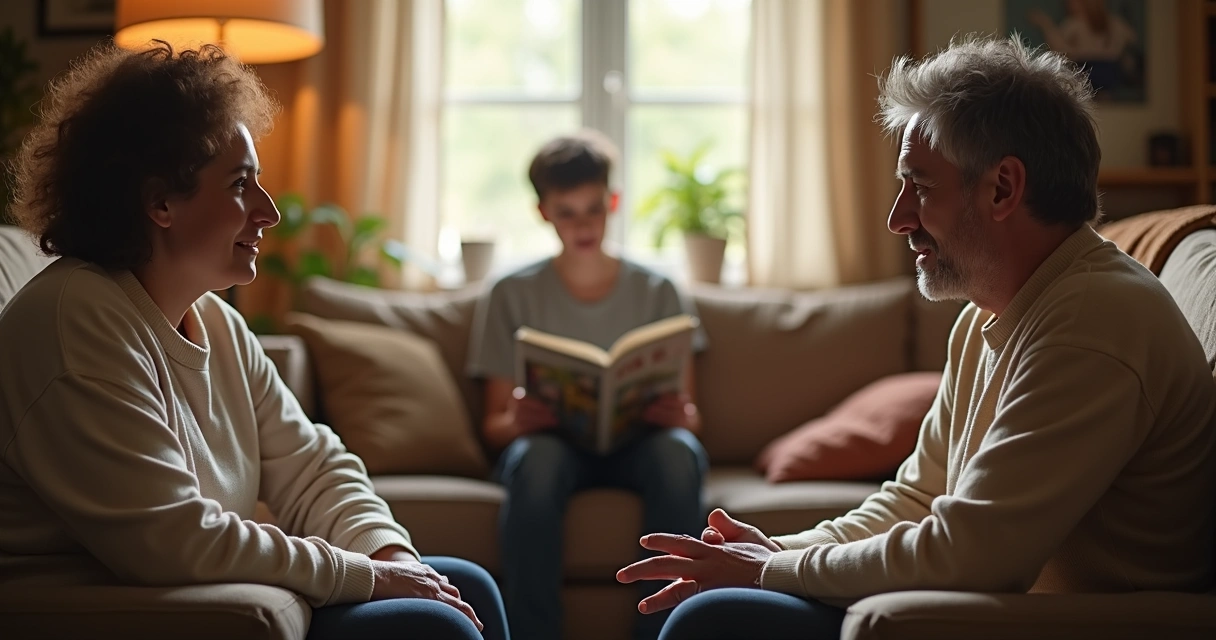
We often see this play out in parent-child dynamics, sibling relationships, or even with extended family. For example, instead of talking to a spouse about a disagreement, a parent may vent to a child. Or, siblings may align with one parent against another. At first glance, it may look like alliance or closeness, but the underlying tension remains.
The real conversation fades, and triangles multiply.
With every triangle formed, the family's emotional balance shifts. Tensions go unresolved. Loyalties split. Patterns repeat. This cycle can last years—sometimes lifetimes.
Common patterns of triangulation in families
We have noticed recurring shapes that triangulation takes within families. When families struggle to process emotions directly, triangles become a default coping mechanism. Here are some of the patterns we frequently observe:
- The classic parent-parent-child triangle: When parents have unresolved conflict, one may seek emotional support from a child, asking them to take sides or share burdens.
- The siblings-in-alliance triangle: Siblings team up, usually with one parent, against another (often during divorce or separation, but not always).
- The scapegoat triangle: One family member, often a child, is unconsciously assigned the role of “problem” as a way for parents or siblings to avoid facing their issues.
- The silent triangle: Communication skips directly between two members, with the third left out—leading to secrets, suspicion, and isolation.
These patterns may seem subtle, but they shape loyalties, decision-making, and emotional health. Avoided conflict doesn't vanish; it finds new pathways.

Why triangulation happens
Triangulation is rarely intended as harm. In our experience, it usually starts as a way to regulate stress and avoid uncomfortable feelings. Some reasons this happens include:
- Fear of direct conflict or rejection
- Old patterns learned from our own caregivers
- A wish to protect someone (especially children) from conflict
- Anxiety that confrontation will destabilize the family
But the result is almost always the opposite of what we hope for. Instead of dissolving tension, triangulation leads to confusion, divided loyalty, and hidden pain.
Systemic effects on families
We see again and again how triangulation doesn't just impact individuals in the present. Its effects ripple outward through the family system. The person drawn into the triangle may feel responsibility that isn’t theirs, or guilt for picking sides. Sometimes, children grow into adults who repeat similar structures in friendships and workplaces.
Unresolved pain finds new directions until someone interrupts the pattern.
When triangulation shapes our experience, it often creates lasting consequences:
- Emotional confusion: Difficulty sorting out our own feelings from others'
- Chronic guilt or anxiety: Feeling trapped between people we care about
- Repeating roles: Playing out the same triangle with new people over time
- Difficulty with boundaries: Struggling to set or respect emotional limits
How to recognize emotional triangulation in your own family
Recognizing triangulation takes awareness and honesty. It’s not always dramatic. Sometimes, it’s just a pattern of avoiding direct talk or feeling constantly "in the middle." Here are signs we've found helpful to notice:
- Feeling responsible for the relationship between two other people
- Being pressured to pick sides or deliver messages
- One family member consistently confides in you about another
- Avoidance of direct communication between certain people
- Frequent alliances that leave someone out
If these feel familiar, you are not alone. Many families struggle with triangles at some point. Some of our readers have found it illuminating to read more about systemic awareness and emotional health in this context.
Possible solutions for breaking the triangulation cycle
Luckily, awareness is the first step to change. When we shine a light on these hidden patterns, we begin to gain choice. Here are approaches that, in our experience, help break the triangulation cycle:
- Encourage direct communication: When conflict arises, support the people involved to speak directly with each other.
- Set boundaries: Be gentle but clear if someone tries to involve you in a conflict that isn’t yours.
- Refuse to take sides: Acknowledge each person’s perspective without becoming the go-between.
- Develop systemic awareness: Notice when a triangle appears and gently state your intention to step out of it.
- Support children by shielding them from adult concerns: Adults handle adult problems. If you find yourself confiding in a child, pause and seek adult conversation or help instead.
It takes courage to do this, especially if the pattern has lasted for years. With patience and often with outside guidance, families can begin to reconnect on new terms. We have seen real transformation happen, sometimes starting with just one person making a different choice.
Learning more about the deeper roots of family dynamics can offer clarity and hope for change. If you want to read further, our articles on family relationships and philosophy are a good resource. Searching for emotional triangulation or family dynamics can also bring relevant insight.
Conclusion
Triangulation is not evidence that a family is broken. It signals a pattern—a call for more honest connection, recognition of boundaries, and shared responsibility. When we see these patterns for what they are, we can step out of old roles and nurture healthier dynamics. The journey is not instant, but every intentional step brings us closer to open, direct relationships and emotional growth—for ourselves, and for those who come after us.
Frequently asked questions
What is emotional triangulation in families?
Emotional triangulation in families is a pattern where two people in conflict involve a third person to manage tension or avoid direct conversation. This third person often becomes the go-between, which can create confusion and shift emotional responsibility onto them.
How can I spot emotional triangulation?
Some signs include feeling "in the middle" of other people’s problems, being asked to take sides, or seeing family members avoid talking directly to each other about important issues. If you often serve as a messenger or confidant for someone in conflict with another, triangulation may be taking place.
What are common signs of triangulation?
Common signs include divided loyalties, pressure to pick a side, chronic tension between certain family members, and repeated patterns where one person is left out of communication. People involved may feel confused, anxious, or emotionally burdened.
How do I stop family triangulation?
You can help reduce triangulation by encouraging direct communication between those involved in conflict, politely refusing to mediate or deliver messages, and setting clear boundaries for what emotional burdens are yours to carry. Supporting family members to speak honestly and openly helps shift the dynamic.
Can therapy help with triangulation issues?
Therapy can provide a neutral space to break old patterns, develop healthier communication, and support everyone in recognizing their roles in triangles. A therapist can guide families in building the skills and awareness needed for lasting change.