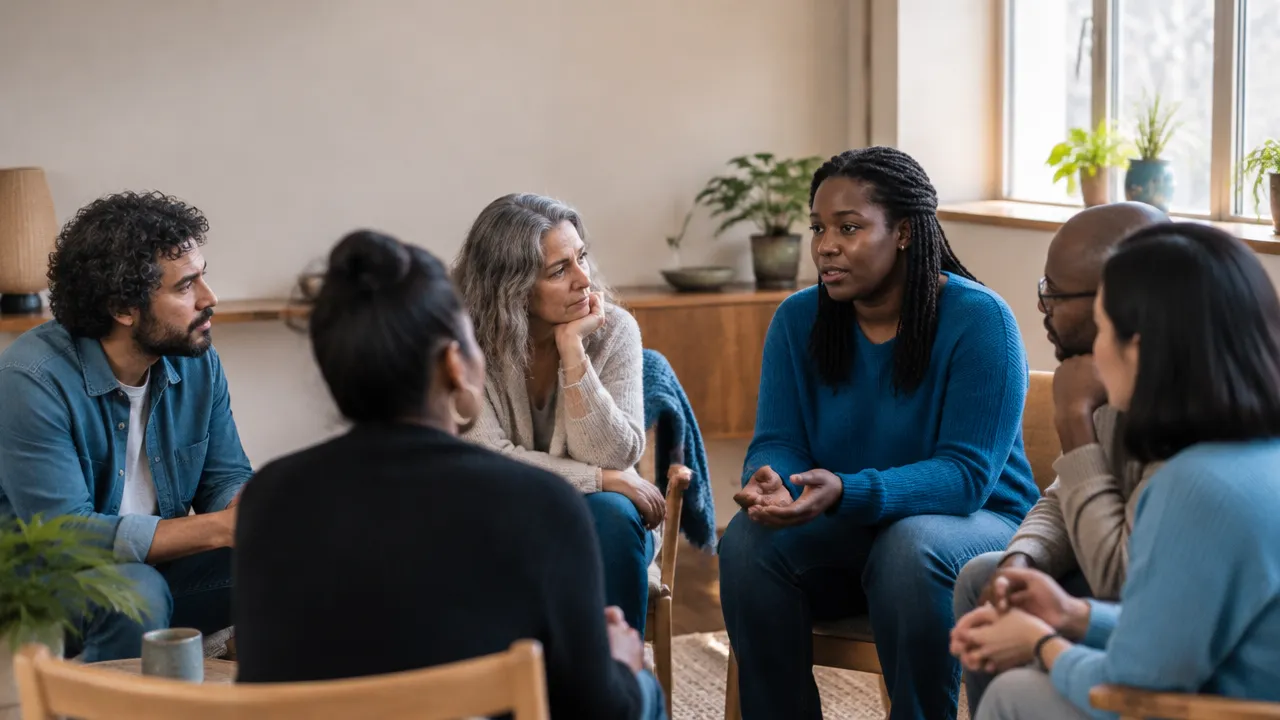

Family rituals are not old objects we keep on a shelf. They are living acts. They shape how we speak, how we repair, and how we belong. In 2026, many families feel this more clearly than ever. We live with fast schedules, mixed households, digital fatigue, longer lifespans, and more open talk about mental health. So the question is not whether rituals still matter. The question is how we renew them without losing their meaning.
We think the best family rituals do two things at once. They honor memory, and they fit real life now. A ritual that once brought comfort can start to feel heavy if it ignores new needs, new roles, or silent pain across generations. That does not mean we throw it away. It means we listen more closely.
Healthy rituals carry care forward.
Why rituals still shape families
Rituals give structure to emotion. They tell us when to pause, how to gather, and what matters enough to repeat. A birthday meal, a Sunday call, a yearly remembrance, a bedtime phrase. Small things, yes. But they hold more than habit.
Family rituals create emotional safety through repetition, meaning, and shared presence.
In our experience, families often do not notice the value of a ritual until it disappears. Then the house feels less steady. A child stops hearing the same goodnight words. Grandparents no longer host seasonal meals. Siblings stop marking grief anniversaries together. The loss is not only social. It is emotional and systemic too.
Research supports this. Meaningful family rituals linked with stronger family cohesion and adolescent well-being show that shared practices can support mental health, especially when they feel genuine and consistent.
When we look through the lens of systemic awareness, we see that rituals often carry unspoken loyalties. Some preserve love. Others preserve fear, exclusion, or control. Updating them asks for honesty, not rebellion.
What has changed by 2026
Families in 2026 are adapting to new pressures. Many relatives live in different cities or countries. More homes include stepfamily bonds, co-parenting rhythms, solo elders, or adult children returning home. Work hours blur into evenings. Screens sit at every table unless someone chooses otherwise.
We have also become more aware of emotional strain. This changes how we gather. People want warmth, but they also want respect for limits. They want tradition, but not at the cost of silence or dread.
We think the update begins by naming what family life looks like now:
Different generations may have very different energy, beliefs, and attention spans.
Some family members may be healing from loss, burnout, or old conflict.
Digital contact is common, but not always nourishing.
Time together may be shorter, so rituals need more intention.
These shifts do not weaken family life. They ask us to be more conscious in how we build it.
How to update rituals without losing the soul
Some families fear that changing a ritual means disrespecting the past. We do not see it that way. A ritual can keep its core while changing its form. The purpose is to protect meaning, not freeze behavior.
One family we have seen kept a holiday lunch for decades. Over time, it became tense. The older generation expected a six-hour gathering. Younger parents arrived exhausted, children were restless, and one relative quietly dreaded the event every year. They did not end the tradition. They shortened it, added a shared gratitude round, and created a calm exit time. The atmosphere changed. So did the relationships.
When a ritual is updated with care, it can reduce reactivity and restore connection.
A simple way to review a tradition is to ask:
What is the real meaning of this ritual?
Who feels included, and who feels left out?
What part brings warmth, and what part brings strain?
What can change while the meaning stays intact?
These questions fit well with themes we often reflect on in philosophy, because rituals are not just acts. They are choices about values, memory, and responsibility.
Rituals that fit modern family life
In 2026, rituals do not need to be large to be lasting. In fact, smaller rituals often work better because they can be repeated. We prefer forms that feel steady, kind, and realistic.
Here are a few patterns that many families can adapt:
A weekly check-in meal with one question for everyone, such as “What felt heavy this week?”
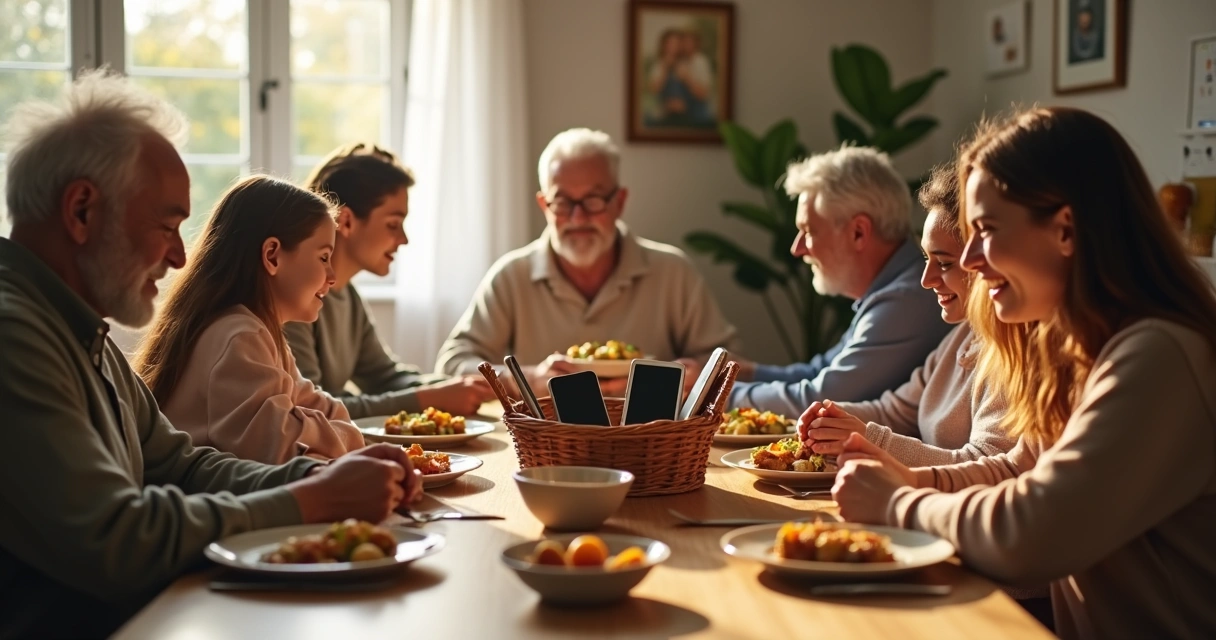
A monthly digital-free evening with games, music, or shared cooking.
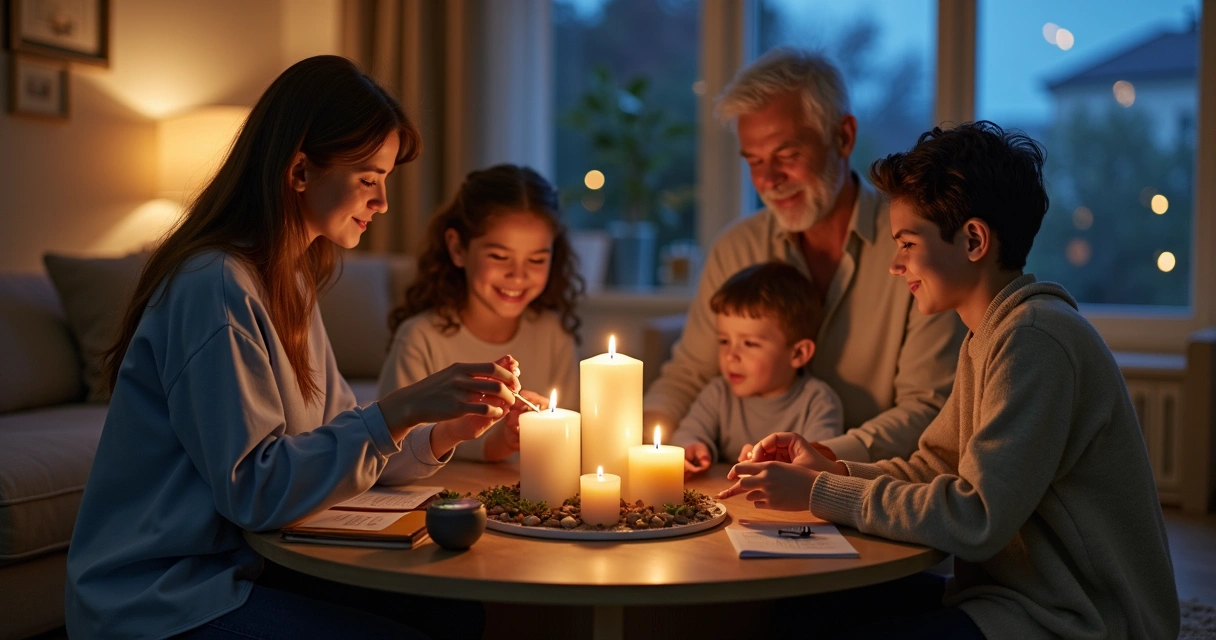
A remembrance practice for loved ones who died, using photos, stories, or one candle.
A transition ritual after school or work, such as five quiet minutes before screens or chores.
A seasonal family service day to support others and teach shared responsibility.
We also think leadership inside the family matters. Not control. Leadership. Someone has to hold the frame, protect respect, and model presence. That is why family life can learn a lot from the human side of leadership.
For families dealing with stress, rituals can become tools of repair. A short evening reset. A weekly apology space. A rule that conflict pauses during meals. These are not dramatic gestures. They are repeatable acts that teach the nervous system what safety can feel like.
When rituals carry pain
Not every tradition deserves to continue in the same way. Some rituals keep alive old hierarchy, pressure, or emotional neglect. If one person is always shamed, ignored, or overburdened during a family custom, the ritual may be preserving harm.
A ritual should organize belonging, not repeat injury.
This is where emotional awareness matters. In our view, a family can respect its history and still refuse patterns that make closeness unsafe. Sometimes the update is gentle. Sometimes it is firm. A changed guest list. A shorter visit. A new agreement about speech, alcohol, or conflict. These choices may feel uncomfortable at first, but they can stop a cycle from moving into the next generation.
We often see this reflected in everyday emotional patterns, which is why ongoing reflection on emotional health can help families notice what a ritual is really producing.
Conclusion
Updating family rituals for intergenerational well-being in 2026 is less about inventing something trendy and more about restoring meaning. We keep what nourishes connection. We revise what creates strain. We let rituals match the family we are now, while still honoring those who came before us.
Sometimes the change is small. A meal becomes shorter. A call becomes weekly. A silence becomes a conversation. We have seen how these shifts can soften a home and steady a lineage. For more reflections shaped by our editorial voice, readers can also follow work by Team Emotional Wellness Path.
If a ritual helps each generation feel seen, safe, and connected, it is ready for 2026.
Frequently asked questions
What are family rituals in 2026?
Family rituals in 2026 are repeated shared actions that create connection, belonging, and emotional stability. They can happen in person or online, and they often reflect modern realities such as busy schedules, blended families, and greater care for mental health.
How to update old family traditions?
We can update old family traditions by keeping their meaning and changing their format. A long gathering can become shorter, a formal event can become more inclusive, and a stressful custom can be replaced with one that feels respectful and warm for everyone involved.
Why update family rituals now?
Families are living through fast social and emotional change. Work patterns, distance, caregiving roles, and mental health awareness have all shifted. Updating rituals now helps families stay connected in ways that match present needs instead of repeating forms that no longer support well-being.
What are examples of modern family rituals?
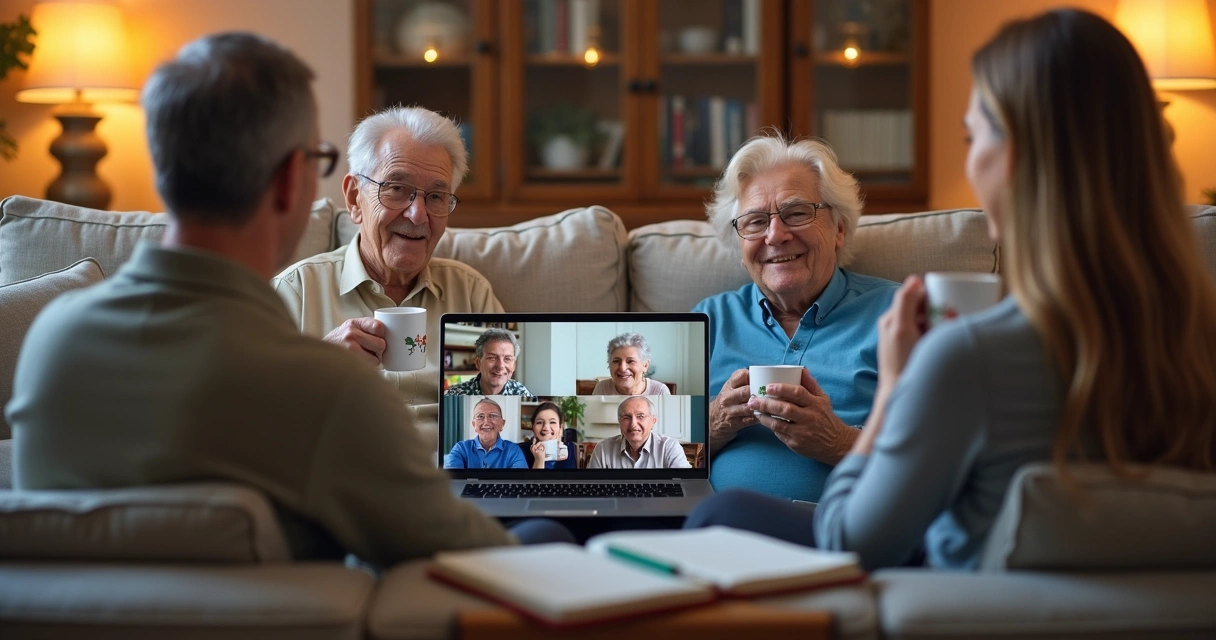
Modern family rituals can include weekly screen-free dinners, monthly video calls with relatives far away, shared gratitude rounds, remembrance moments for loved ones, transition routines after school, and regular check-ins where each person speaks without interruption.
How can rituals boost family well-being?
Rituals boost family well-being by giving people steady moments of contact, predictability, and care. They lower emotional distance, strengthen trust, and help each generation feel part of something stable. Over time, these repeated acts can support healthier communication and stronger family cohesion.